
Sections
Popular watch types
Popular features
Popular materials
Sections
Popular watch types
Popular features
Popular materials
Avant-garde horology shifts the priority of a timepiece from sheer legibility to artistic expression. The perfect watch is in most cases circular, quiet and predictable with three slender hands sweeping methodically in a circle. This design is the universal language of time. Avant-garde horology is the violent, beautiful rejection of that language.
Personalized recommendations (coming soon)
Get recommendations based on your tastes
Discover cool watches and underdogs
Not all great watches get the attention they deserve
Keep track of your wish list and watches you like
And the full collection for that matter
Use your expertise to help others
All of us would like to hear from actual owners
For centuries, watchmaking chased precision, functionality and sometimes complications if the watchmaker was ambitious. The perfect watch was in most cases circular, quiet and predictable, a pristine white dial, twelve neat markers, and three slender hands sweeping methodically in a circle. This design became the universal language of time. Avant-garde horology is the violent, beautiful rejection of that language.
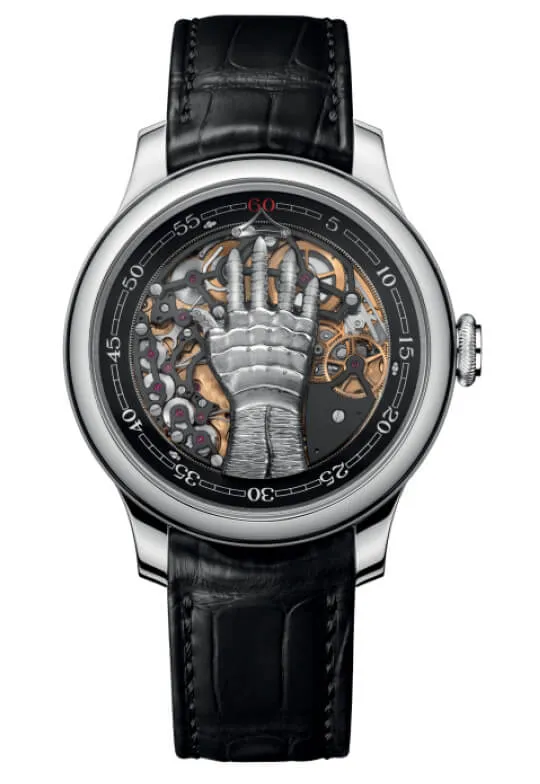
To enter the world of avant-garde watchmaking is to step away from traditional luxury and into a realm where watches are treated as kinetic sculptures, wearable architecture, and mechanical philosophy. These are not tools for merely glancing at the time, they are radical statements worn on the wrist. They challenge our very perception of how time should look, feel, and behave.
At its core, avant-garde horology shifts the priority of a timepiece from sheer legibility to artistic expression. Traditional watchmaking treats the movement as an engine hidden beneath a beautiful hood. In contrast, avant-garde watchmaking tears away the hood, re-engineers the engine, and forces it to become the artwork itself.
While the modern explosion of avant-garde design feels entirely futuristic, its roots are deeply tied to historical moments of artistic defiance. In 1967, Cartier shattered conventional symmetry with the Crash, a watch whose melted looking, distorted oval case proved that high horology could embrace chaos. Decades later, independent watchmakers in the early 2000s realized that timekeeping was not only about time itself and could be a canvas for pure artistic expression and unadulterated creativity.

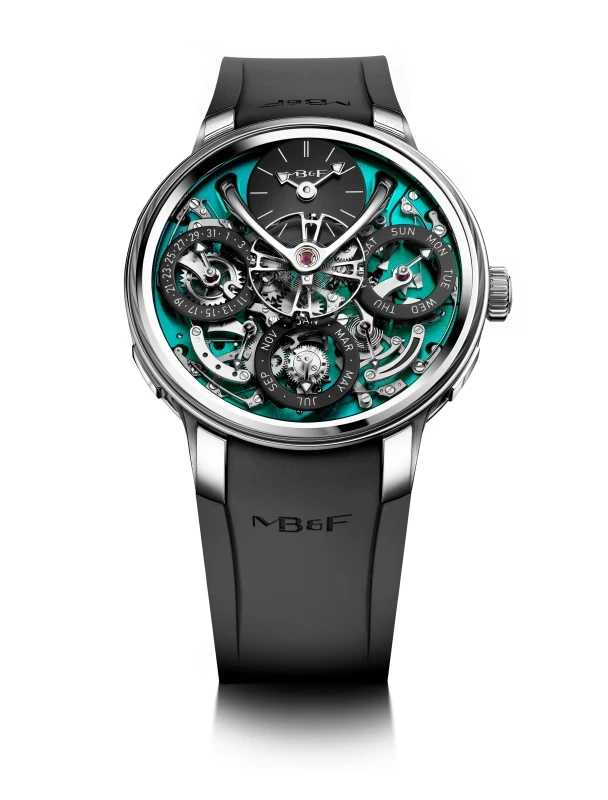
Today, names like MB&F, Urwerk, Ressence and many others carry this torch. They do not build watches for the masses, nor do they care for classic minimalism. They build for the collectors, the dreamers, and the rebels who believe that telling time should be an experience to be remembered. This guide explores the machines that dared to break convention, and the radical engineering that made it possible.
To shatter centuries of horological tradition, avant-garde watchmakers don’t rely on simple face-lifts. They systematically dismantle the core components of a timepiece. By reimagining how time is displayed, how the movement is housed, and what motion could look like, creators transform traditional instruments into three-dimensional mechanical art.
Traditional watches rely on concentric, center-mounted hands sweeping across a static background. Avant-garde horology views this layout as a historical limitation rather than a rule. Designers deconstruct the dial, turning the display of time into a complex, moving theater.
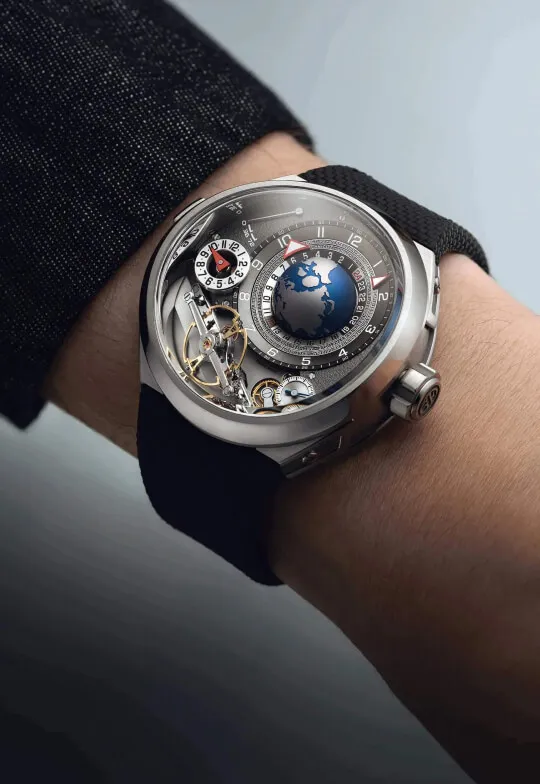
The classic round watch case exists primarily because traditional gears are round, and machinery historically favored symmetrical shapes. Avant-garde design rejects the round canvas. It treats the watch exterior as an architectural or biological sculpture.
Classic watches move silently, keeping their mechanics hidden or subtly contained. Avant-garde horology treats the watch as a live mechanical performance, making the internal kinetic energy completely visual. Timekeeping becomes a theatrical spectacle where the motion of the watch is just as important as the time it displays.
To fully grasp the scope of avant-garde horology, one must look at some of the specific machines that shattered the status quo. These ten (+1) timepieces and represent the pinnacle of mechanical rebellion, turning watchmaking into high art, architectural physics, and kinetic theater.

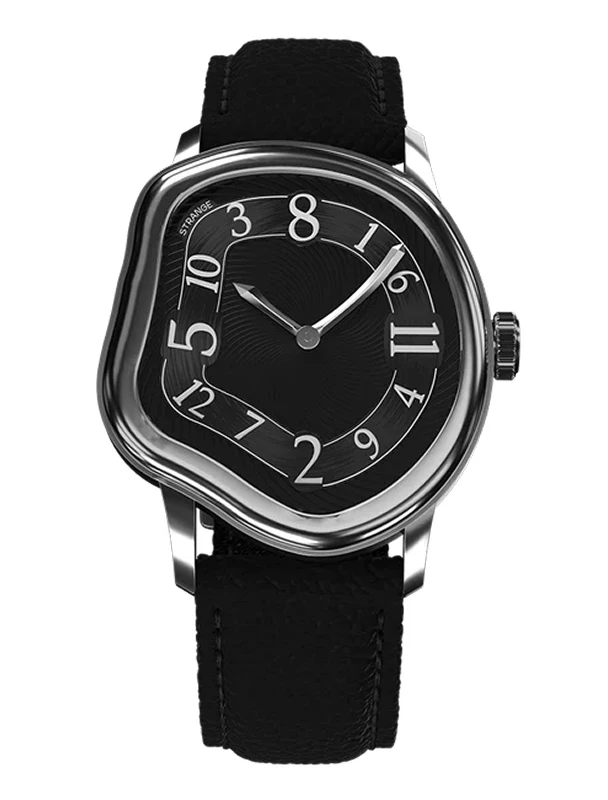
Legend has it that its shape was inspired by a client’s Baignoire watch that deformed inside a fiery car accident. It's completely warped, melted, oval case forces the traditional Roman numerals and hands to stretch and contort wildly across the dial akin to a Salvador Dali art piece. The reality of it was simply that people wanted something different in a time of nonconformism.
By distorting the canvas of time without sacrificing mechanical functionality, Cartier proved that a luxury timepiece could abandon classical restraint and exist purely as abstract, wearable sculpture. It wasn’t as easy as it may seem on first glance, but they surely managed to achieve their objective and possibly start a bit of a trend.
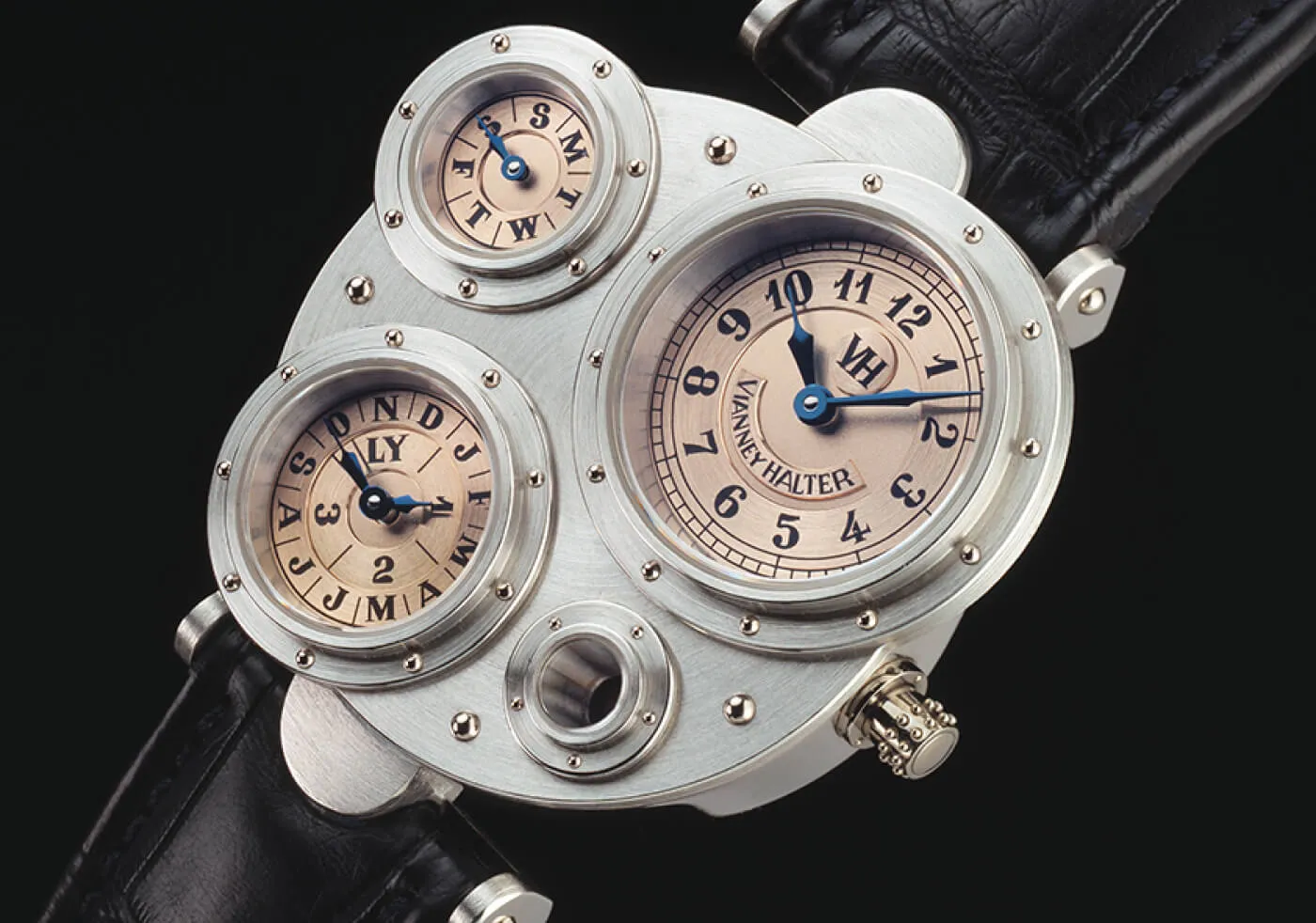
At the turn of the millennium, independent watchmaker Vianney Halter challenged the convention of the singular watch face by introducing the Antiqua. This timepiece completely deconstructs the traditional dial, scattering its mechanical functions across four separate, isolated sub-dials that resemble the engine gauges of a futuristic, steampunk machine.
The aesthetic draws heavy inspiration from the marine chronometers of antiquity and the science fiction of Jules Verne. Each gold porthole is individually riveted to an asymmetric, sculpted mass, completely separating the hours and minutes, the days of the week, the months, and the leap-year indicators into their own distinct mechanical pods. The Antiqua looks less like a traditional wrist-worn calendar and more like a control panel pulled straight out of Captain Nemo’s submarine, pioneering a new era of architectural watch layout.
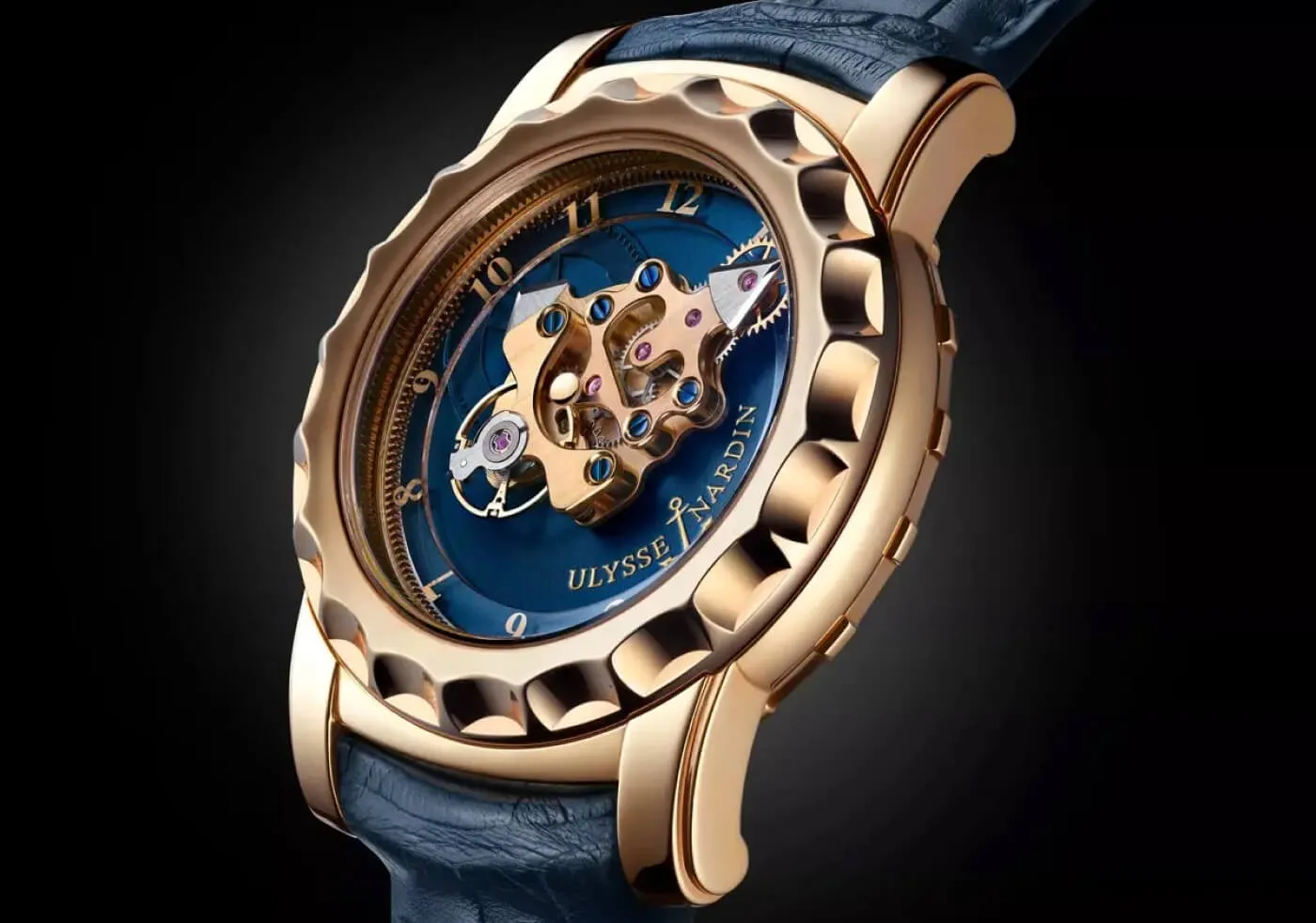
The release of the Ulysse Nardin Freak in 2001 fundamentally redefined the architecture of a mechanical watch movement. It achieved notoriety by arriving onto the market with three massive omissions: it possessed no traditional dial, no hands, and no crown to wind or set the mechanism.
Instead of hiding the gear train beneath a decorative face, the Freak turns its own movement into the time indicator. The entire linear carousel movement is mounted on a central pivot, physically rotating inside the case once every 60 minutes to act as the minute hand, while a lower, rotating disc tracks the hours. To set the time, the wearer unlocks a latch and turns the massive front bezel, while winding the mainspring is achieved by rotating the case back, a radical layout that turned the watch into an open, kinetic spectacle.
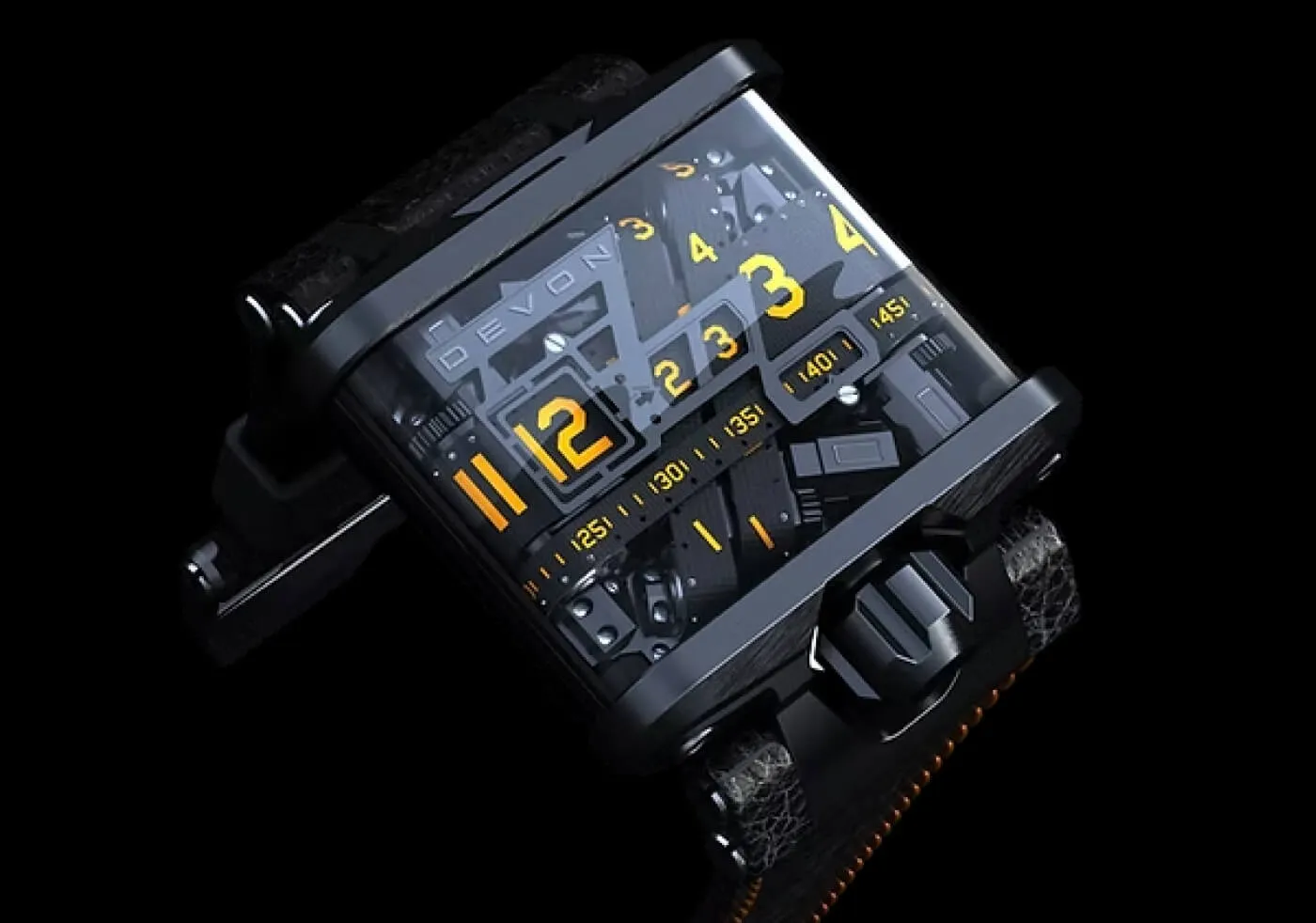
Emerging from a California-based aerospace engineering firm rather than a Swiss valley, the Devon Tread 1 stands as an aggressive, industrial departure from traditional gear-driven horology. It is a massive, electromechanical powerhouse that replaces traditional rotating hands and discs with a complex grid of interlaced, moving belts.
The watch relies on micro-step motors to drive four ultra-thin, woven nylon belts that are reinforced with glass fibers for absolute durability. These belts crawl horizontally and vertically across a skeletonized framework at varying speeds. Whenever a new minute or hour arrives, the belts instantly snap into position, alignment windows framing the exact time digits like a high-tech dashboard. The resulting visual is unapologetically industrial, pairing raw electrical efficiency with a purely kinetic display of time.
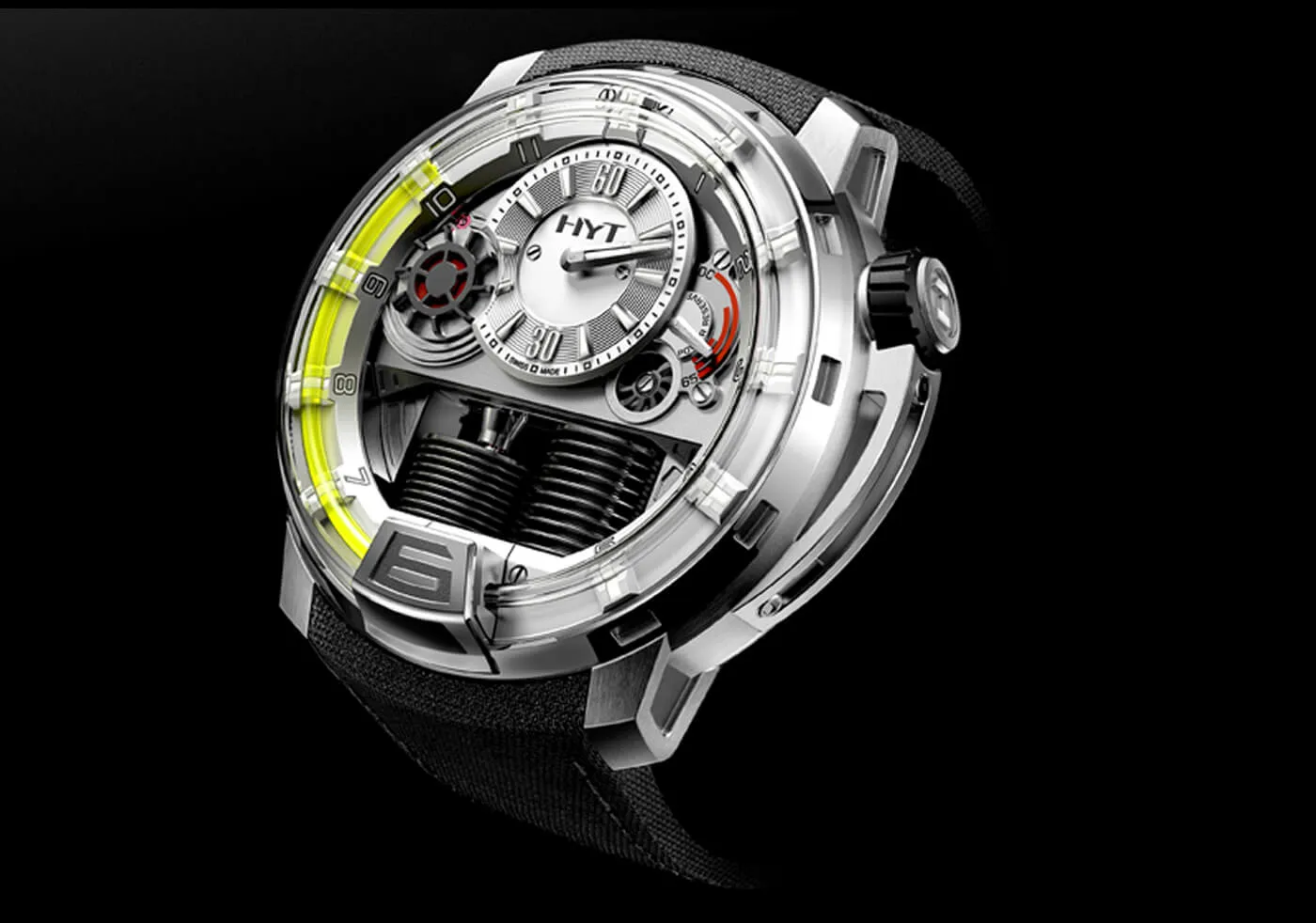
For generations, liquid was considered the ultimate enemy of a mechanical watch, capable of rusting gears and ruining precision balances. The HYT H1 flipped this paradigm entirely on its head by utilizing liquids as the primary mechanism for telling time.
The lower half of the movement features two highly flexible bellows driven by a traditional mechanical caliber. These bellows pump two non-mixing liquids, one brightly colored and one completely transparent, through a thin glass tube running along the perimeter of the face. The precise boundary line where the two liquids meet serves as the hour marker. Once the colored liquid reaches the 6-hour mark at the end of the tube, the system kicks in reverse, sending the fluid backward in a slow retrograde motion to restart its journey.
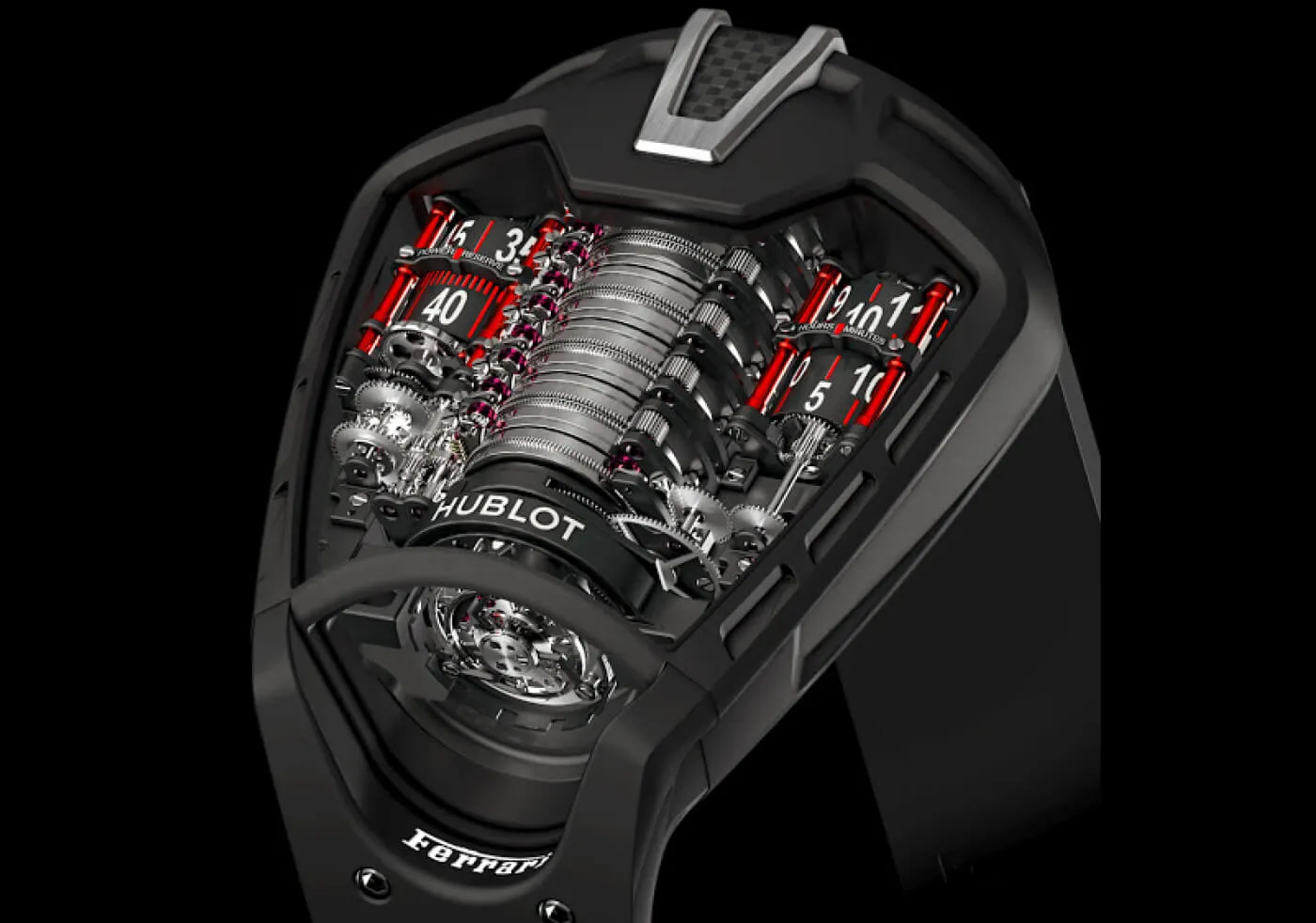
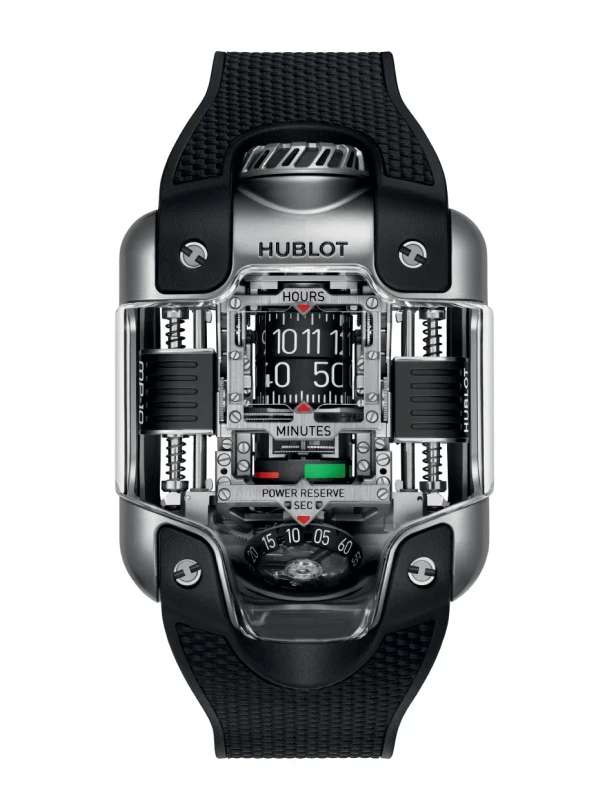
Designed in direct collaboration with the legendary supercar manufacturer, the Hublot Big Bang MP-05 LaFerrari re-engineers the watch movement to resemble a high-performance engine block. It achieved immediate horological fame by shattering the world record for the longest power reserve in a mechanical wristwatch, capable of running continuously for a staggering 50 days.
To store this immense amount of mechanical energy, Hublot stacked 11 mainspring barrels coupled in series vertically, down the absolute center of the watch, mimicking a high-performance engine's spine. Instead of flat hands, the hours, minutes, and remaining power reserve are displayed on anodized aluminum cylinders that spin on a vertical axis next to the central barrels. The tension of the 50-day power reserve is so immense that the watch cannot be wound by hand, it requires a specialized, miniature electronic drill tool inserted into the top of the case to prime the engine.
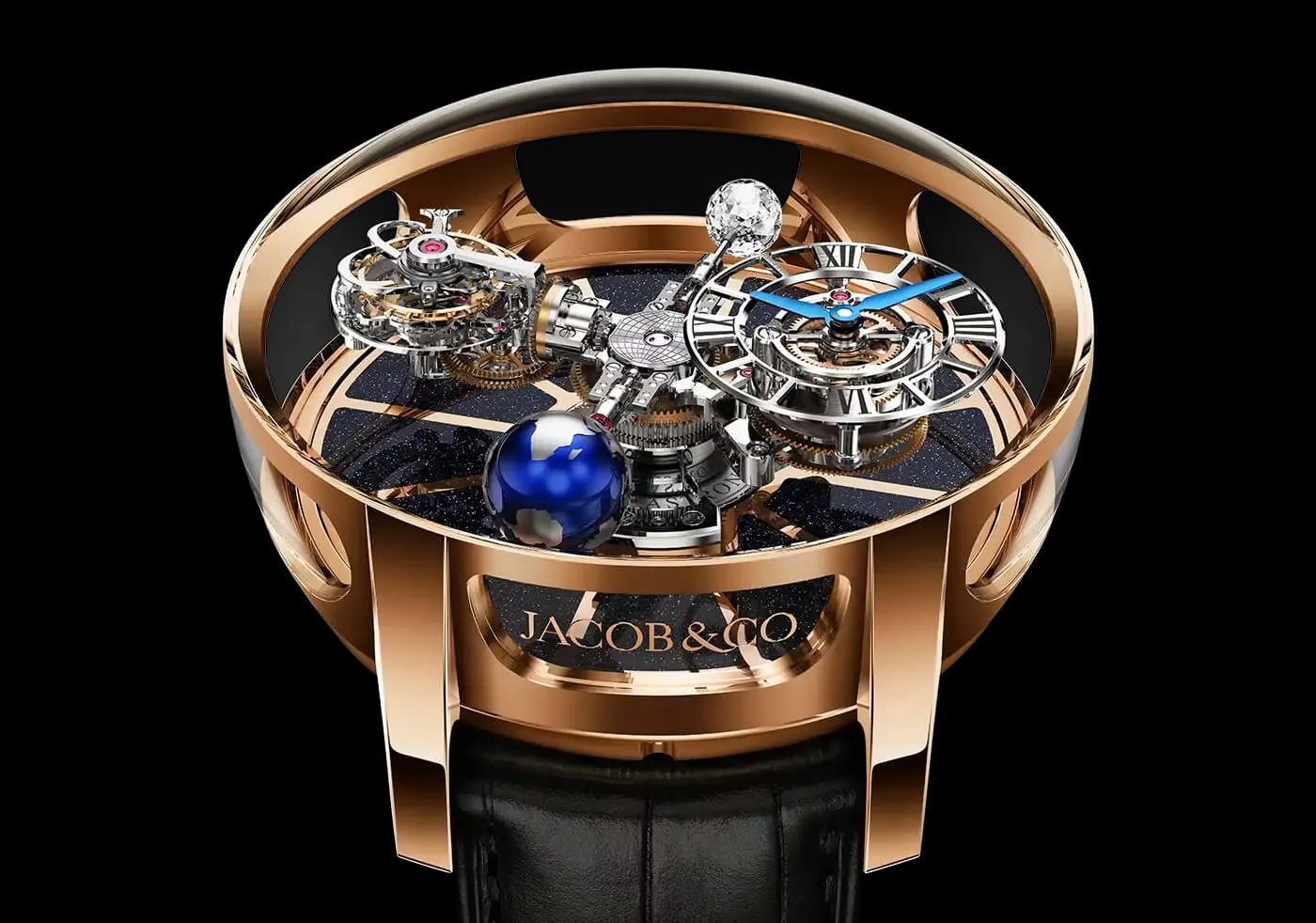
The Jacob & Co. Astronomia Tourbillon transforms the wrist into a miniature, deep-space observatory, trading flat horological mechanics for three-dimensional, cosmic choreography. The entire movement is housed inside a massive, curved sapphire crystal dome that offers an uninhibited view of the mechanical performance from every angle. Floating above a dark background, a four-armed kinetic carousel constantly rotates around a central axis, making a full revolution every twenty minutes.
The four arms carry a triple-axis tourbillon, a rotating magnesium Earth globe, a spherical diamond acting as a rotating Moon, and a differential-driven time display. To ensure the wearer can actually read the time despite the chaotic rotation of the carousel, a complex differential gear system keeps the sub-dial perfectly upright and horizontal at all times.

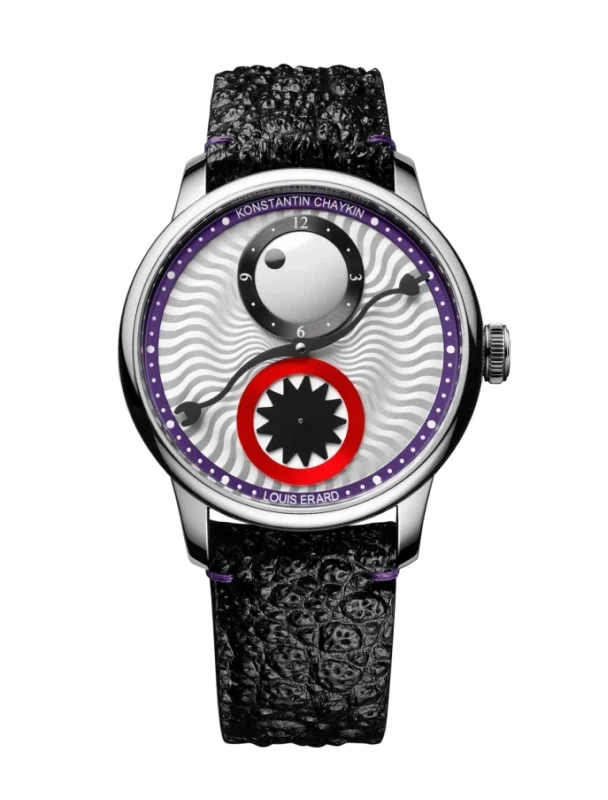
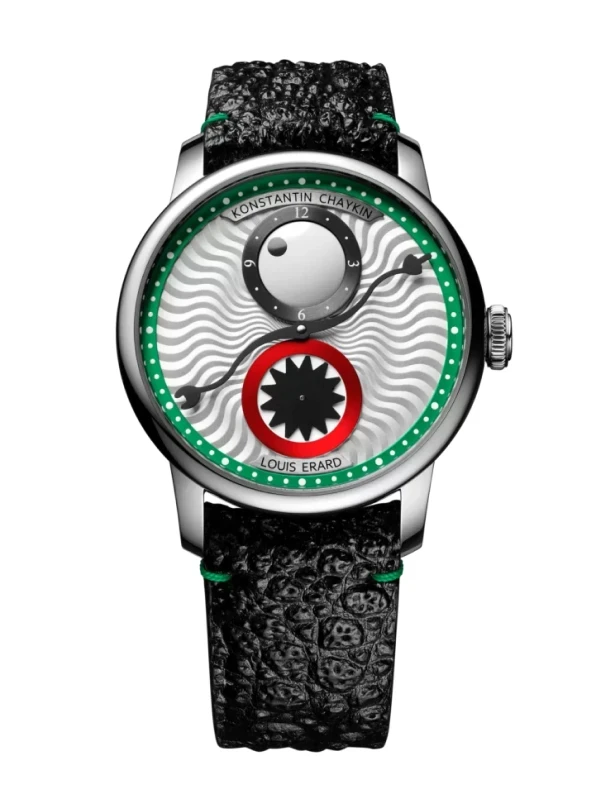
While many avant-garde watches focus on aggressive geometry or high-concept physics, the Konstantin Chaykin Joker uses mechanical ingenuity to evoke pure, artistic emotion. Russian independent master Konstantin Chaykin completely abandoned traditional hands to turn the watch dial into an anthropomorphic, living face.
The watch tells time using two large, rotating discs that serve as the Joker's eyes. The left pupil orbits its disc to indicate the hours, while the right pupil tracks the minutes, causing the watch’s facial expression to warp, squint, and change mood continuously throughout the day. Beneath the eyes, a stark red tongue acts as a moonphase indicator, moving across a wide, grinning mouth to track the lunar cycle. With its distinct facial expressions, the Joker transforms high horology into a highly interactive, pop-art experience.
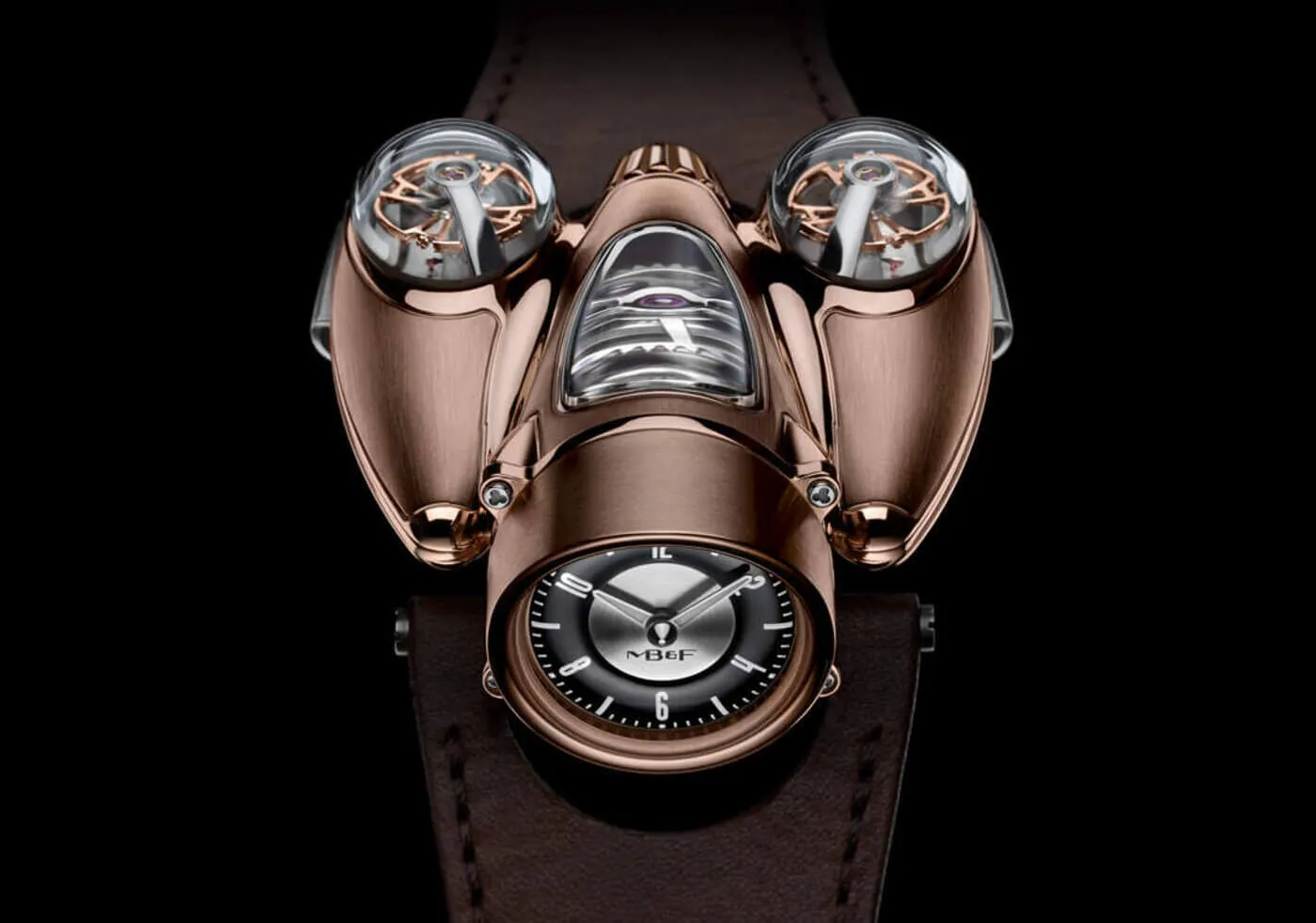
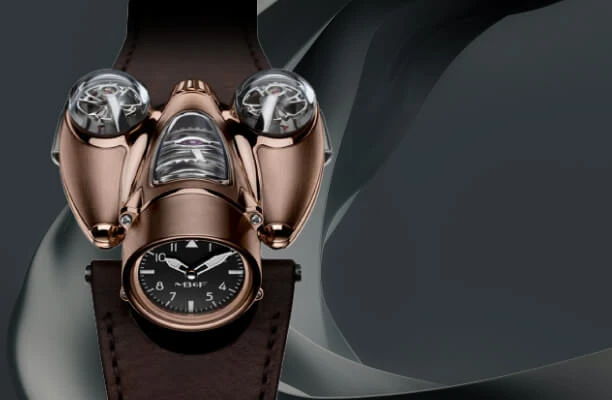
The MB&F Horological Machine No. 9, affectionately dubbed the 'Flow', is a love letter to the aerodynamic design eras of the 1940s and 50s. The watch completely discards the concept of a flat casing, utilizing a highly complex, three-dimensional titanium body that mirrors the sleek fuselage of a vintage mid-century jet aircraft or supercar.
Beneath its flowing, bulbous curves, the HM9 houses an incredibly ambitious internal layout. Two entirely independent balance wheels beat on opposite sides of the watch under their own individual sapphire viewing bubbles. A central differential gear system sits between them, averaging the timekeeping rates of both regulating organs to cancel out errors and maximize precision. This averaged time is then translated to a vertical, dashboard-style dial at the base of the case, allowing the wearer to check the time while driving without turning their wrist.
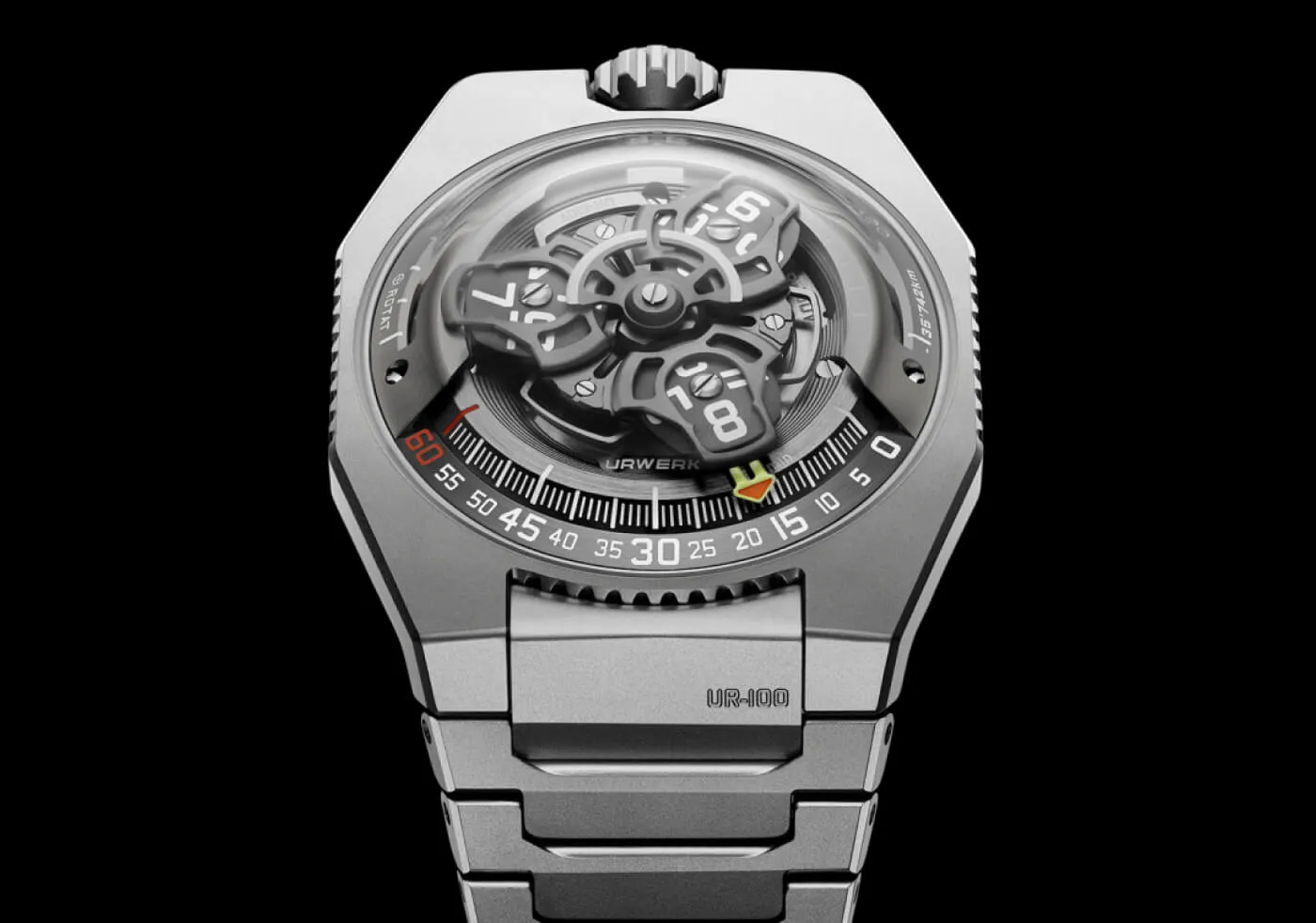
Urwerk has spent decades perfecting the "wandering hours" complication, but the UR-100V takes this concept a step further by utilizing satellite mechanics to track astronomical distances. The watch features three rotating carousels that take turns carrying the current hour digit across a curved, 60-minute scale along the bottom of the dial.
The true avant-garde twist occurs when the current hour finishes its 60-minute journey. Instead of simply resetting, the pointer disappears beneath a protective canopy and emerges on the upper half of the watch to track astronomical data. One scale displays the precise distance the Earth has rotated on its axis over a 20-minute period (roughly 555 kilometers), while a secondary scale tracks the distance the Earth has traveled in its orbit around the Sun during that same timeframe (approximately 35,740 kilometers), turning a wristwatch into a relative space-time calculator.
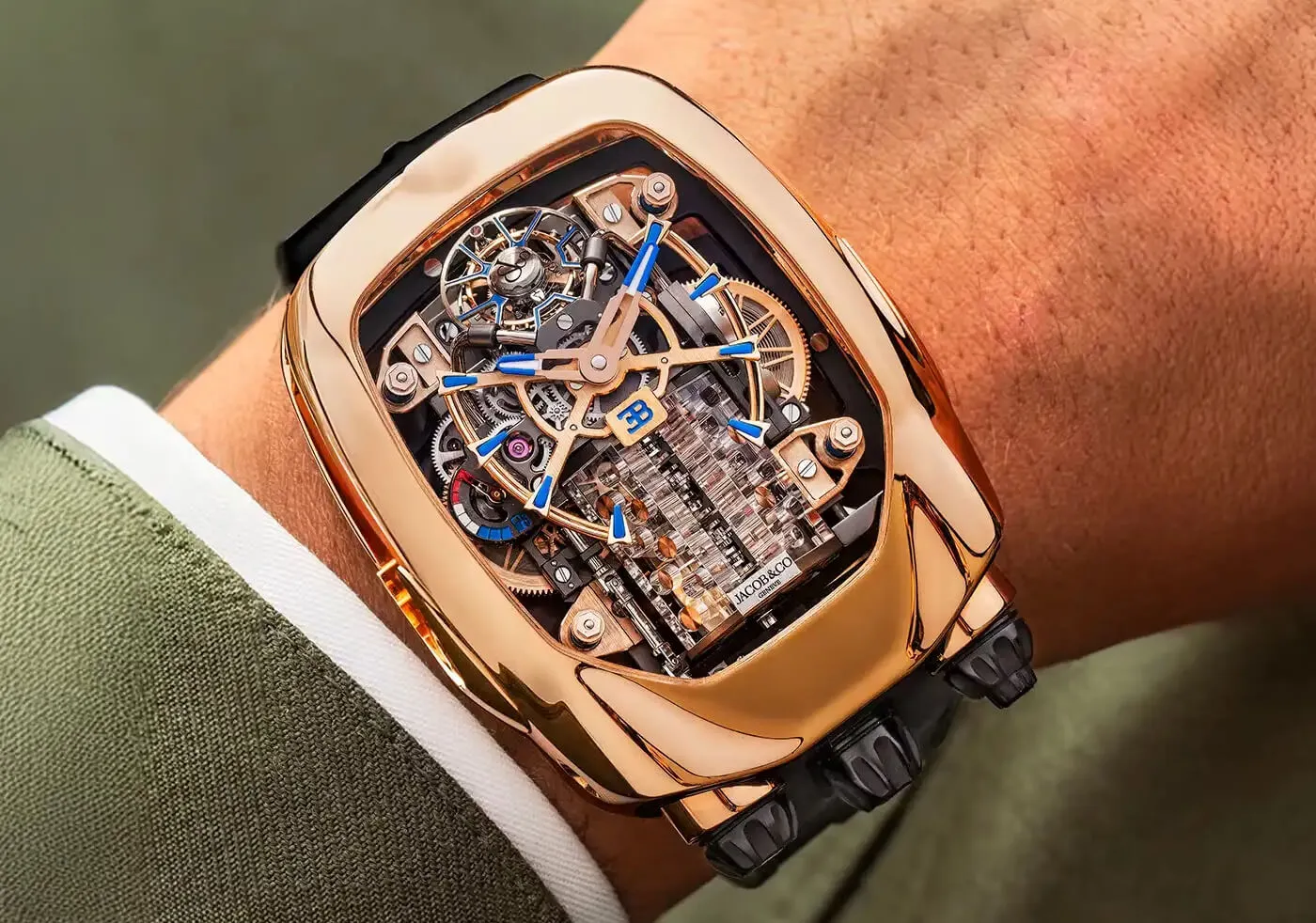
The Jacob & Co. Bugatti Chiron Tourbillon marks the absolute peak of modern mechanical automata, achieving a level of kinetic theater rarely seen on the human wrist. The lower portion of the massive sapphire case houses an exact, scaled-down replica of the iconic Chiron W16 internal combustion engine.
At the push of a dedicated crown button, the automaton springs to life for a 20-second cycle driven by a dedicated barrel. A solid steel, miniature crankshaft begins to rotate rapidly, which in turn pumps 16 individual steel pistons up and down inside a clear sapphire engine block. As the pistons fire, a pair of miniature turbochargers spin frantically on the side of the engine, while the entire movement floats on four automotive-style shock absorbers, mimicking a real supercar engine suspended inside a chassis.
Acquiring a traditional luxury watch is a relatively straightforward journey of brand preference and retail availability. Collecting avant-garde horology, however, is a different game. When a timepiece transitions from a simple instrument into a three-dimensional mechanical sculpture, the realities of ownership change dramatically.
Comfort: Avant-garde watches challenge traditional ergonomics, often requiring curved designs and specialized lugs to accommodate massive, thick movements and dramatic, exposed sapphire domes. While offering an unobstructed view of the movement, this architectural approach prioritizes artistic expression over comfort and durability on the wrist.
Price and rarity: The economics of avant-garde horology operate like contemporary fine art rather than mass luxury, driven by micro-production runs that often total fewer than 150 pieces per year globally. Because immense research costs cannot be amortized across mass assembly, prices routinely reach deep into six-figure territory, creating highly volatile secondary markets where value is dictated by absolute rarity and the hyper-specialized tastes of a select global collector base.
Preservation: Maintaining an avant-garde watch demands a lifelong partnership with its creator, as local watchmakers lack the custom schematics, specialized tools, and unique lubricants required for fluidic systems or belt-driven matrices. Consequently, any mechanical issue forces a highly insured return to the brand's original studio, where small teams of master watchmakers handle repairs. This process can easily separate a collector from their timepiece for six months to a year, often alongside specialized upkeep like fluid replacement or micro-motor diagnostics.
As we look toward the future of horology, the line between machine and masterpiece will only continue to blur. The creators highlighted in this guide prove that true innovation does not come from perfecting the past, but from having the courage to break it. For the collectors, the dreamers, and the rebels, the message is clear: do not merely watch the time sweep by in quiet, polite circles. Demand a machine that makes time perform like a personal artist on the wrist.
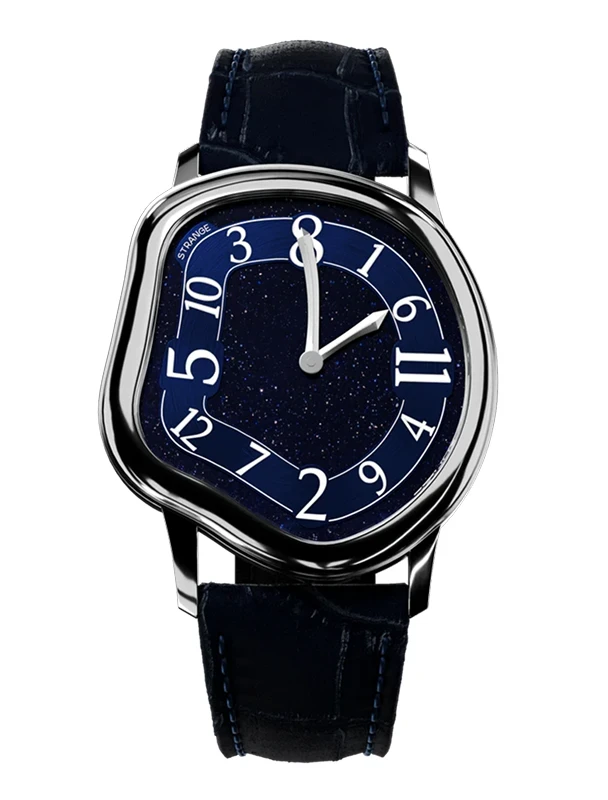
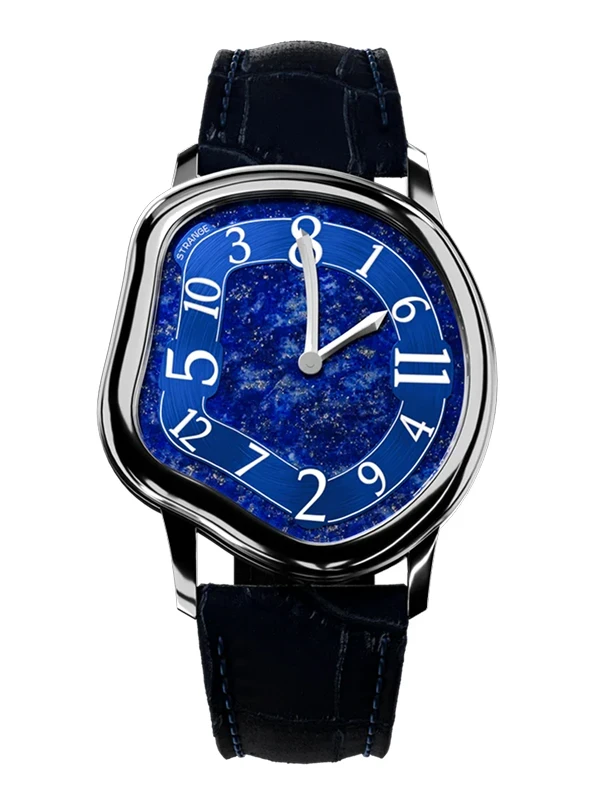
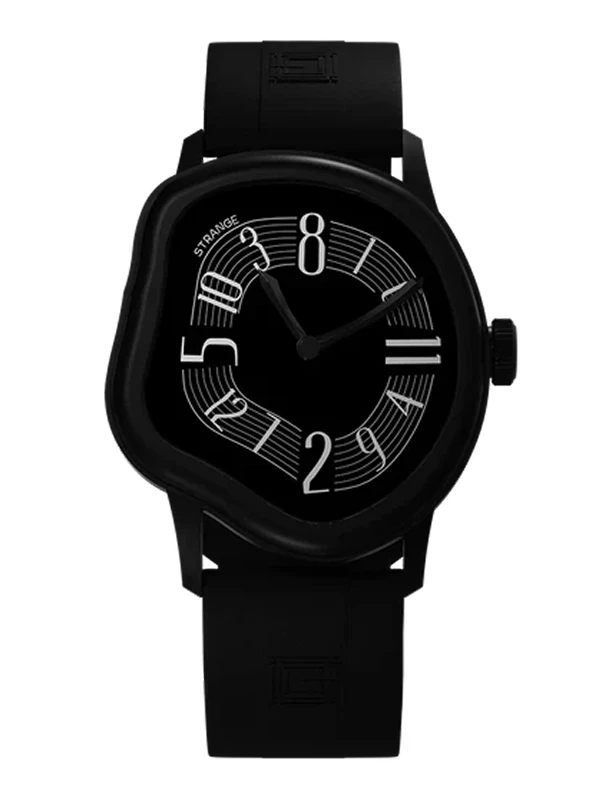
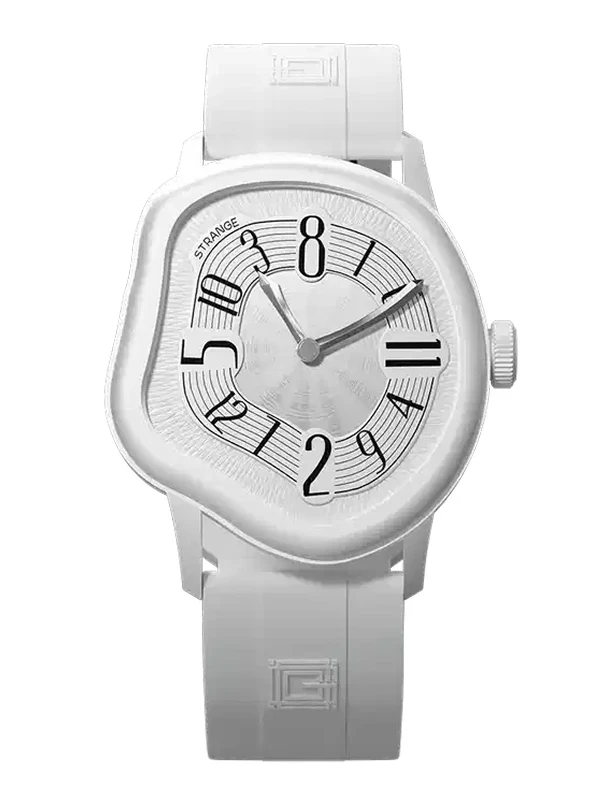
Contrinuing the line of heresy, I do want to make a quick mention of a few brands that make affordable rebellion for those of us with modest budgets: Xeric, Olto-8, CIGA Design, Atowak. There might be more, but these are good starting points to check out.






 Continue with Google