Sections
Popular watch types
Popular features
Popular materials
Sections
Popular watch types
Popular features
Popular materials
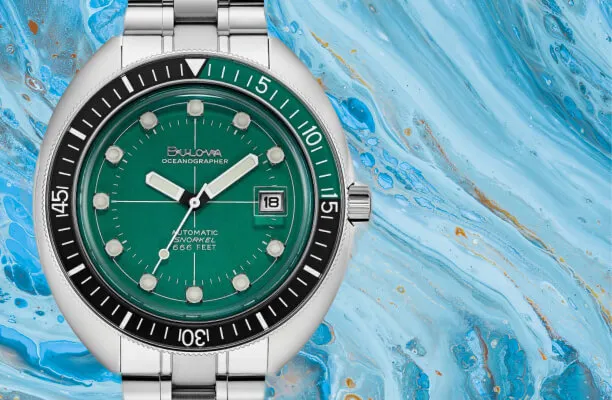
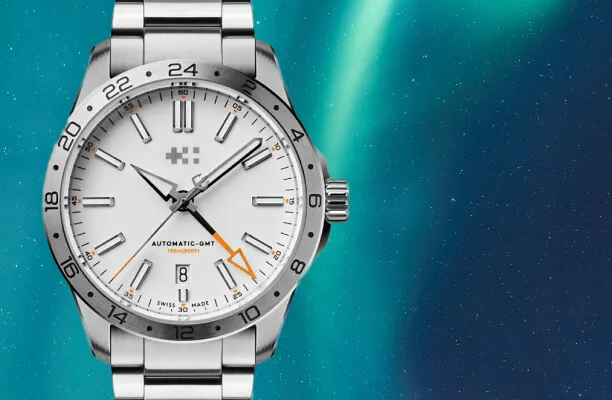
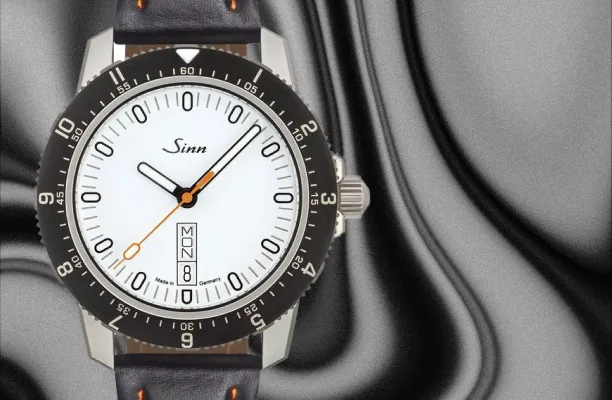
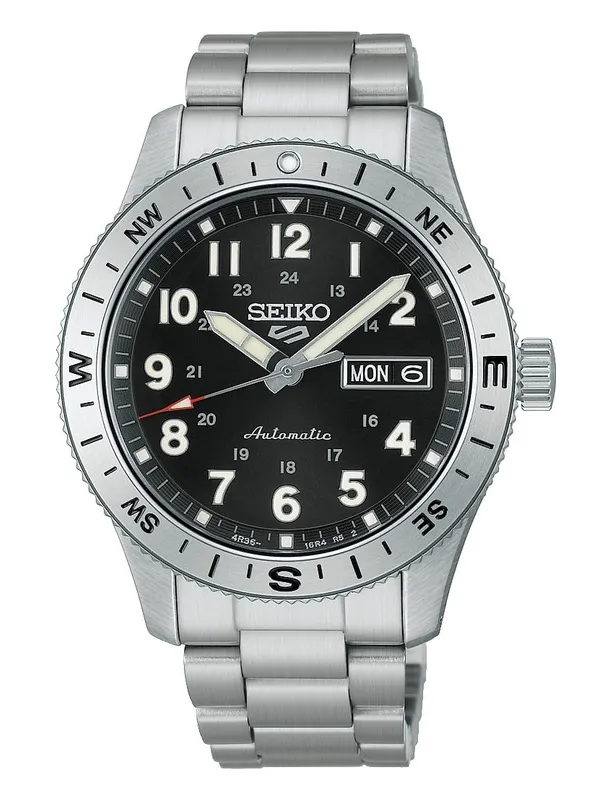
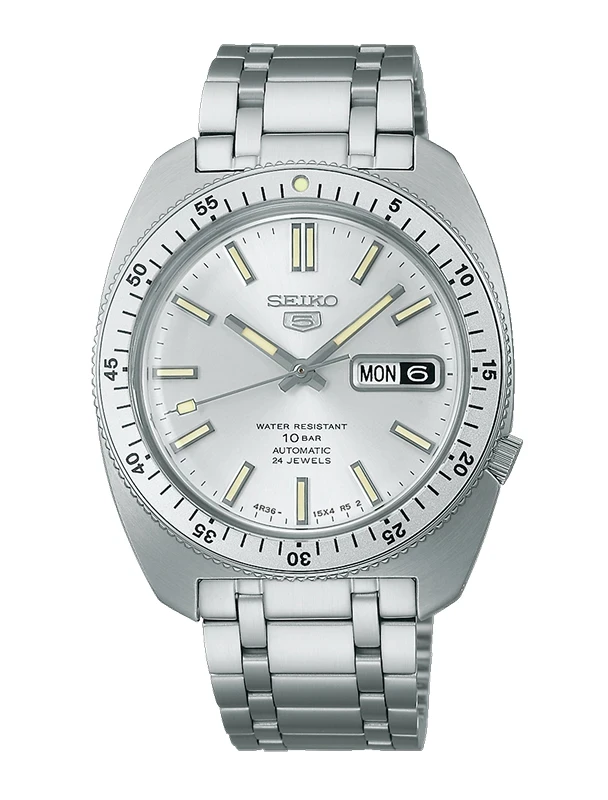
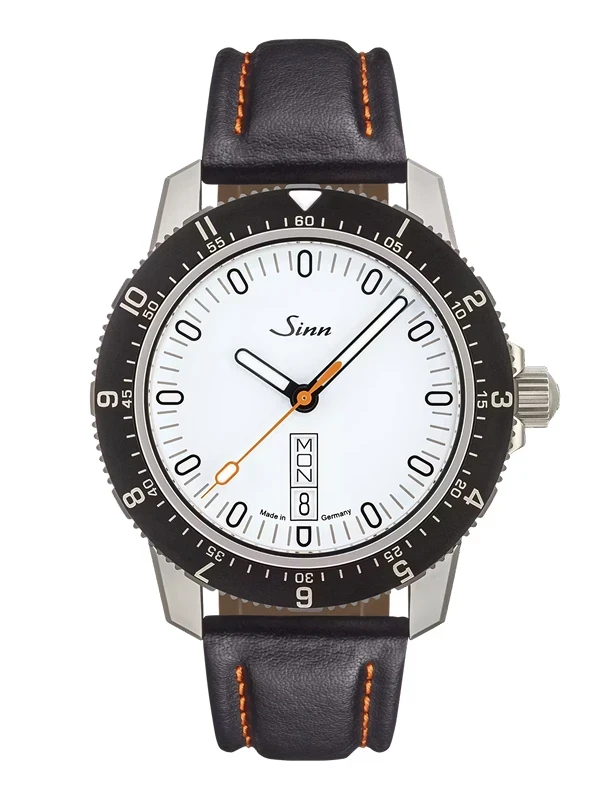
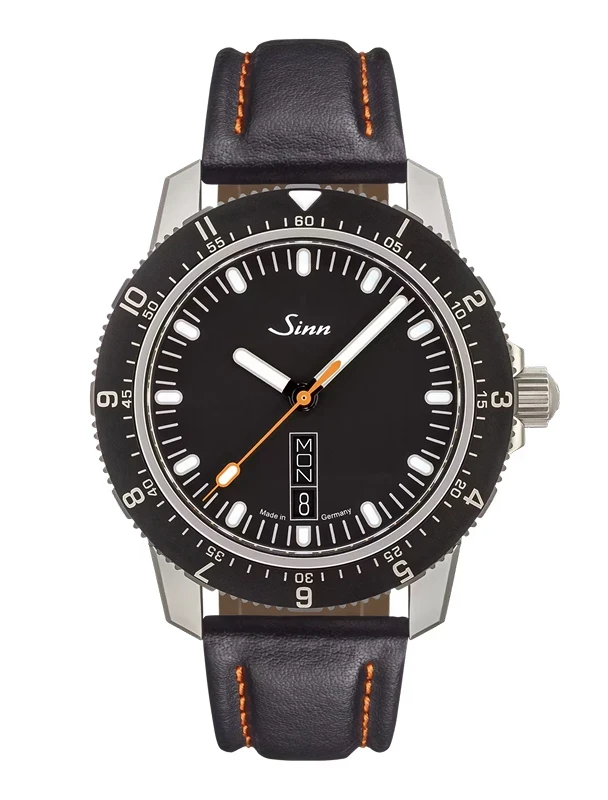
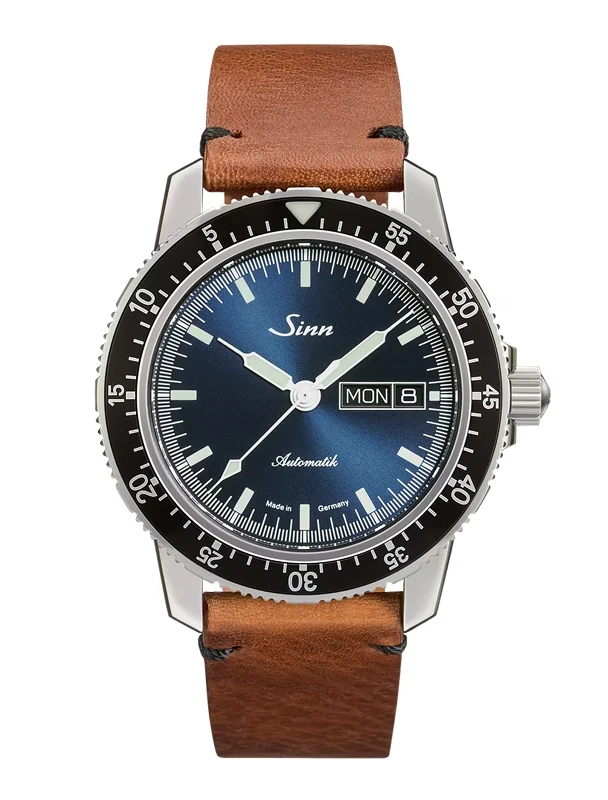
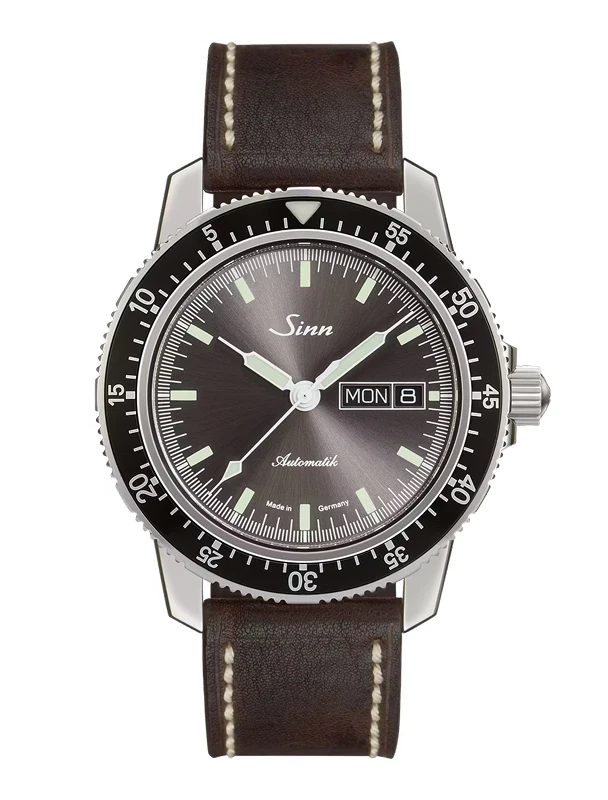
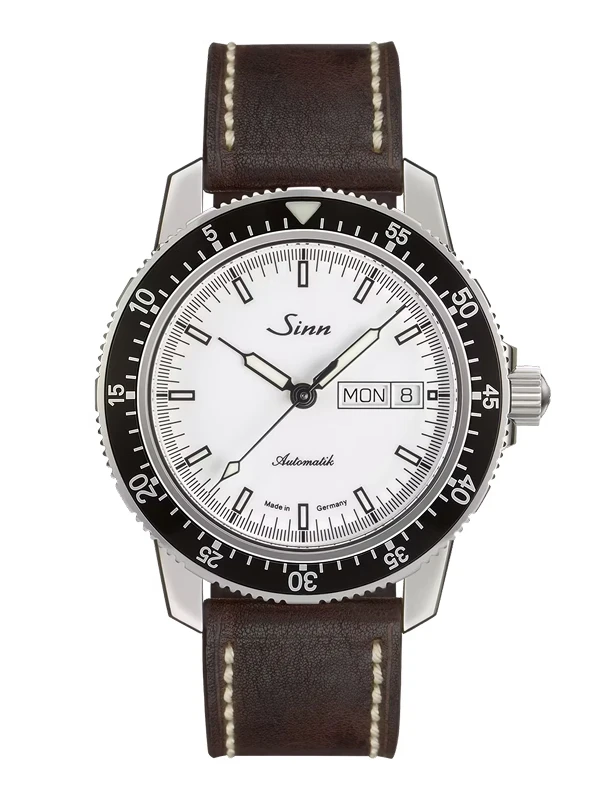
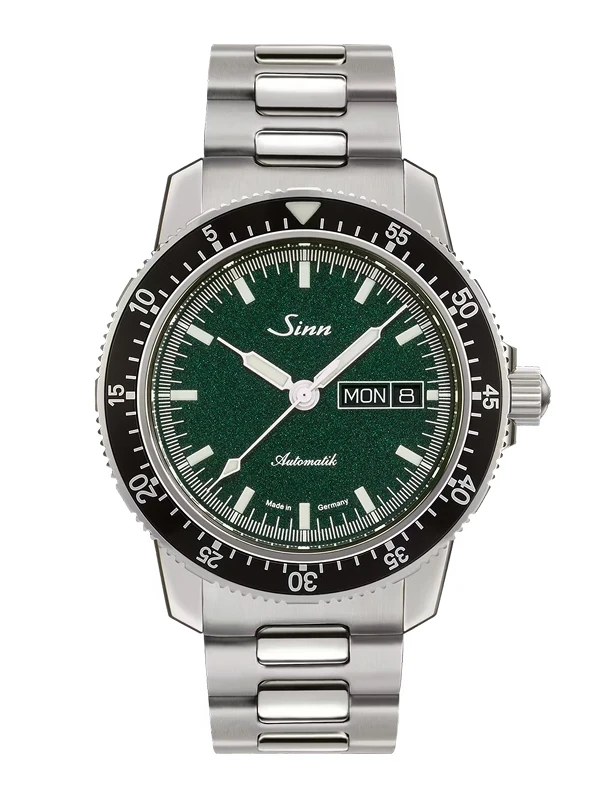
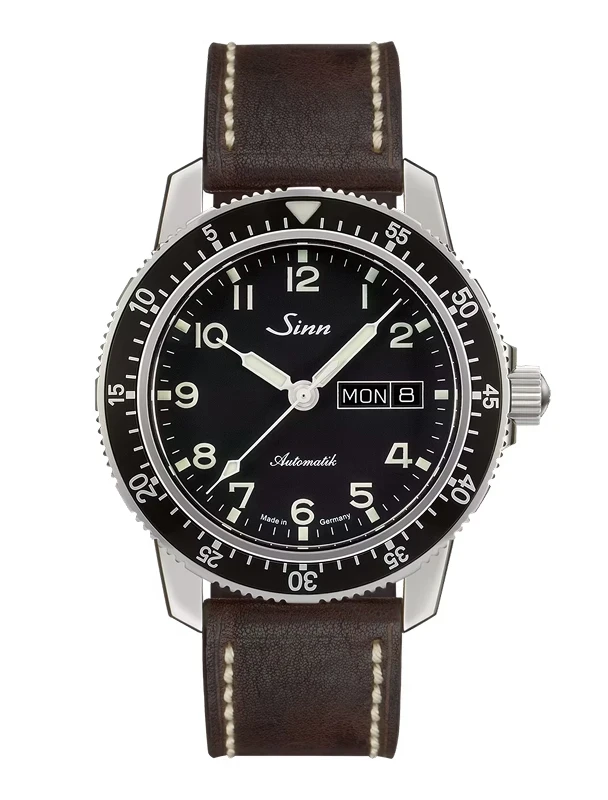
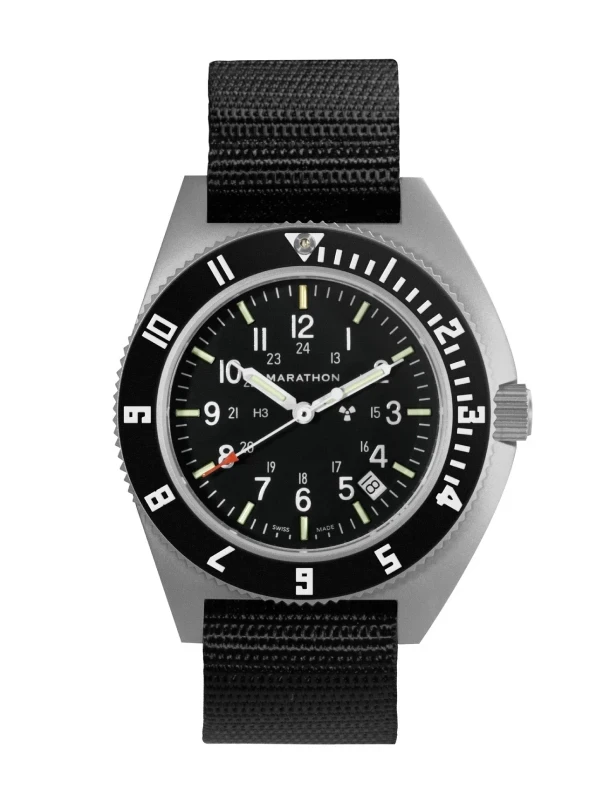
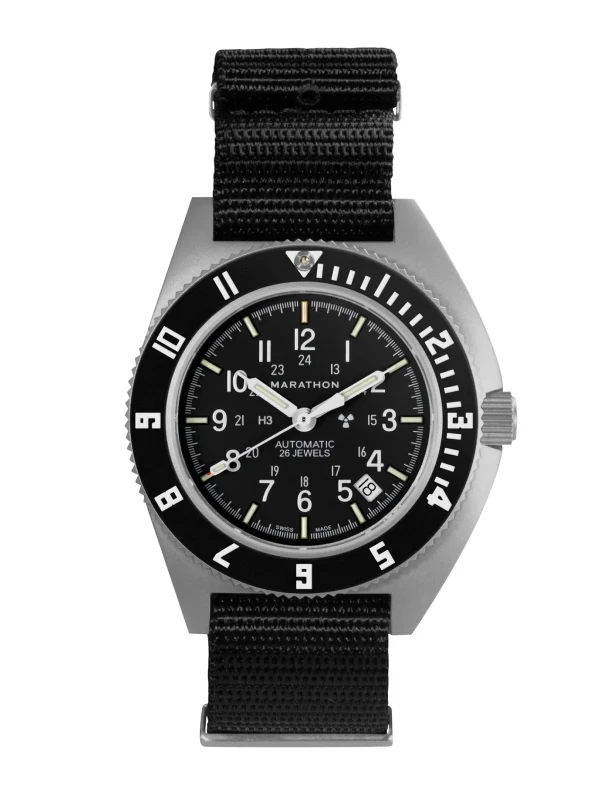
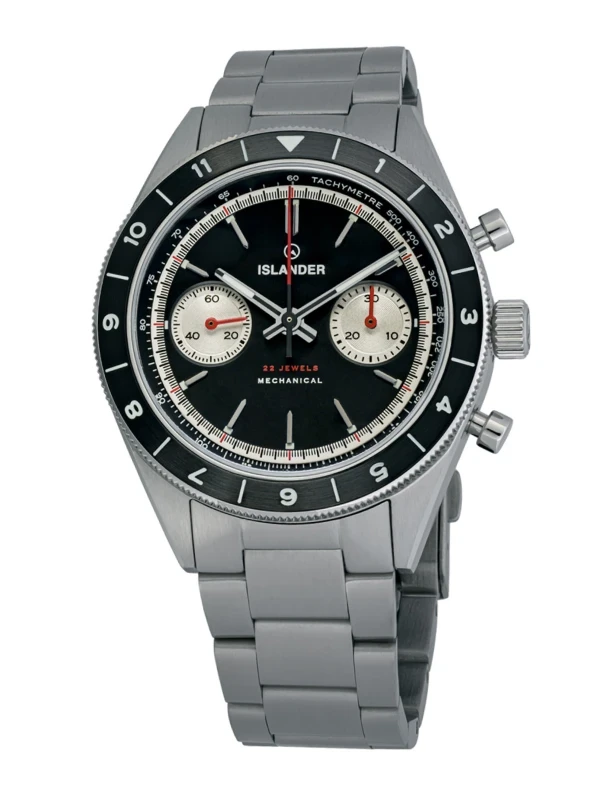
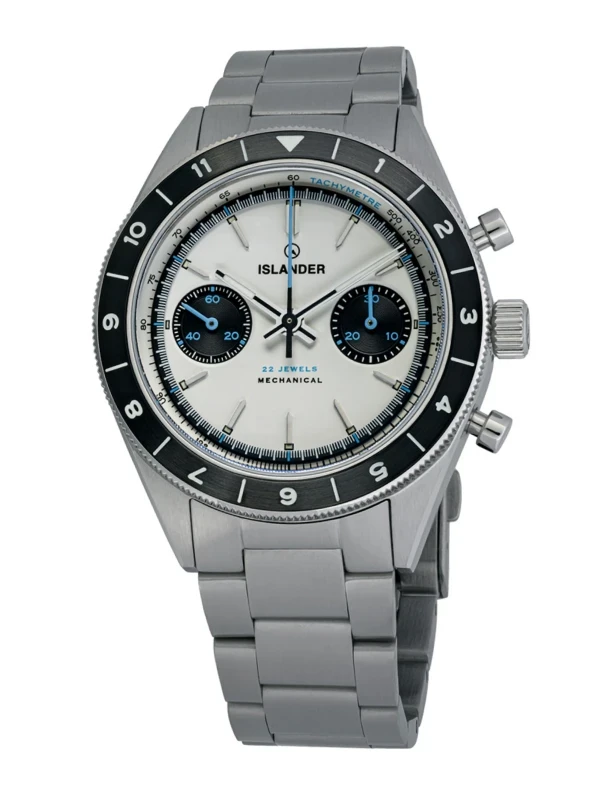
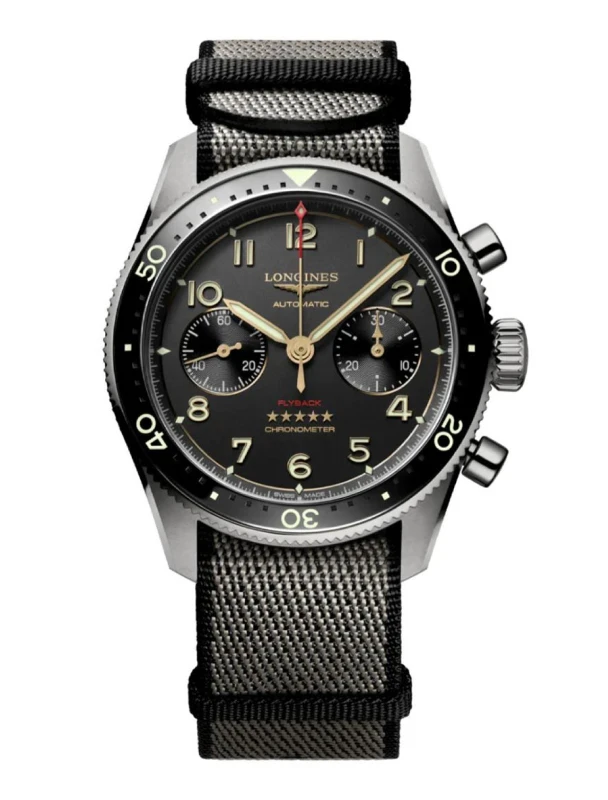
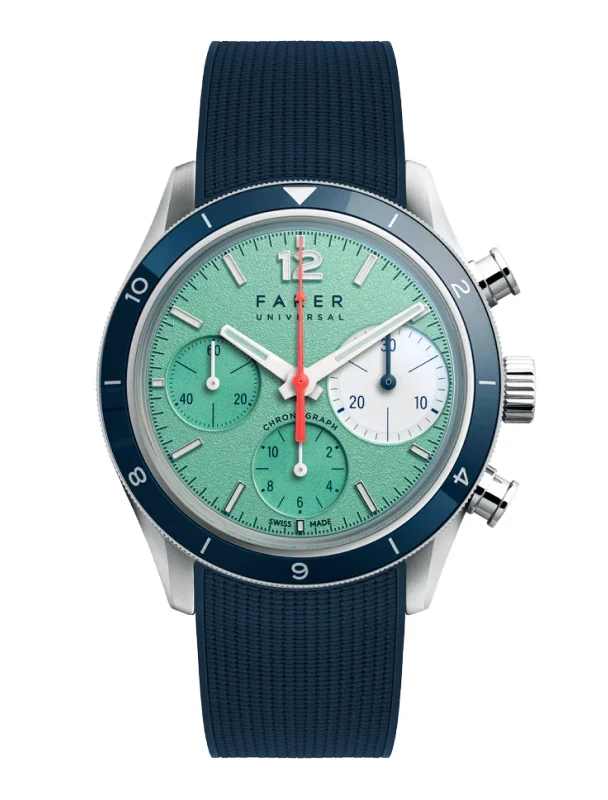
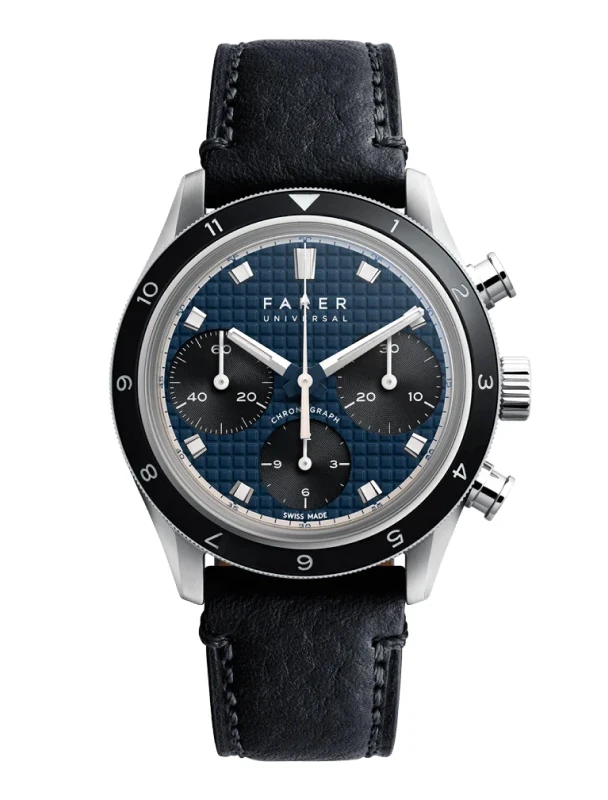
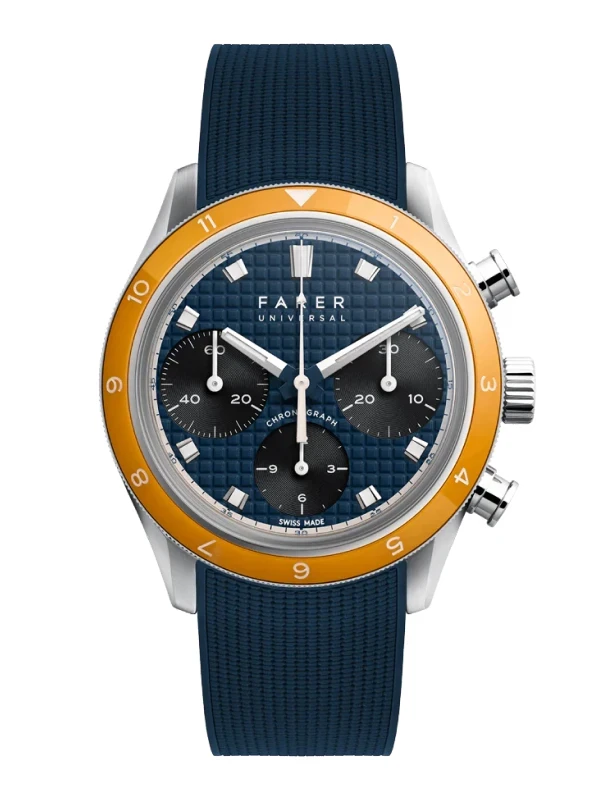
A bidirectional bezel is a bezel that can be adjusted both clockwise and counterclockwise. The term does not refer to the markings of the bezel, so it can be a dive bezel, 12-hour bezel, or any other type.
The opposite option is the unidirectional bezel that only allows adjustment in one direction. If you need to adjust the other way, you have to make a full circle. You can learn more about this bezel on the unidirectional page.
Bidirectional bezels are preferred in low-stakes scenarios where they are considered "safe." For the most part, they are not considered safe on dive watch bezels, as accidental movement in the wrong direction could instill a false sense of safety to the diver.
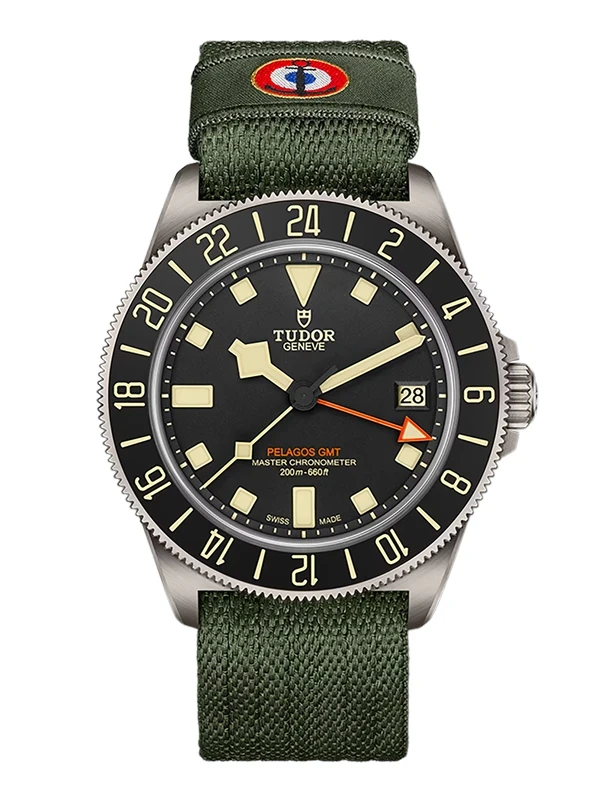
This safety argument is contradicted by the Tudor Pelagos FXD—developed in partnership with the French Navy's combat swimmers—who prefer a bidirectional bezel and do not consider it unsafe.
Bidirectional bezels can also be found on watches that feature a bezel locking mechanism, such as the Glycine Airman watches.
Personalized recommendations (coming soon)
Get recommendations based on your tastes
Discover cool watches and underdogs
Not all great watches get the attention they deserve
Keep track of your wish list and watches you like
And the full collection for that matter
Use your expertise to help others
All of us would like to hear from actual owners
A bidirectional bezel on a watch is a rotating ring around the watch face that can be turned both clockwise and counterclockwise. It’s typically used to track elapsed time or align a marker with a specific minute or hour hand, making it useful for everyday timing tasks like cooking, workouts, or casual timekeeping. Because it moves freely in both directions, it’s quicker and more convenient to adjust than a unidirectional bezel, but it’s generally considered less secure for critical timing—such as in diving—since it could be accidentally moved and give an incorrect reading.
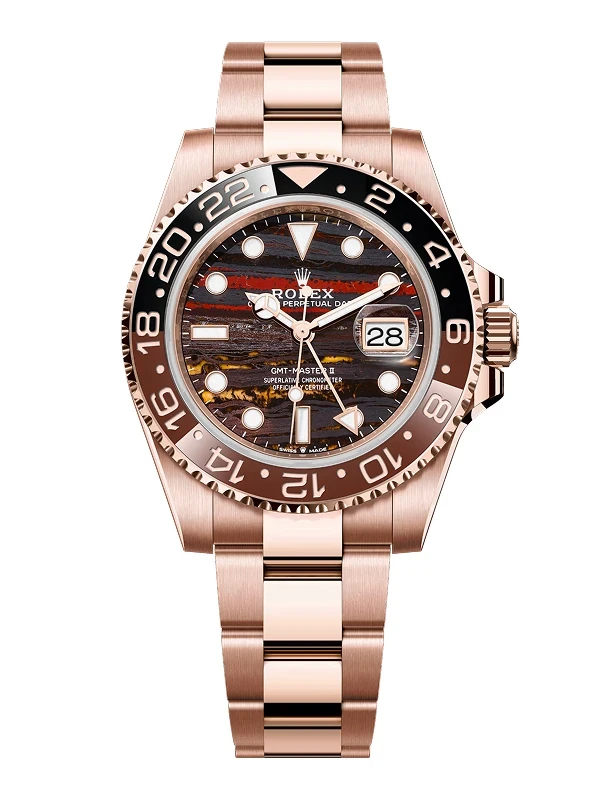
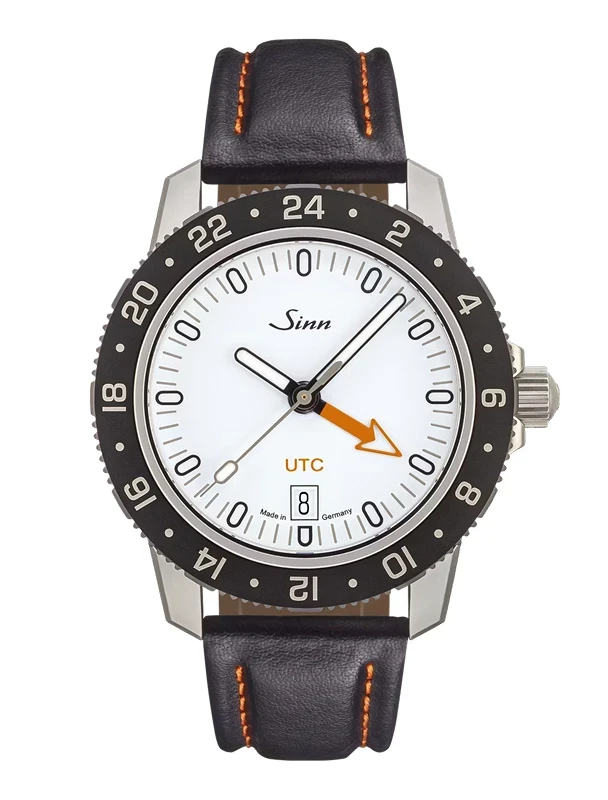
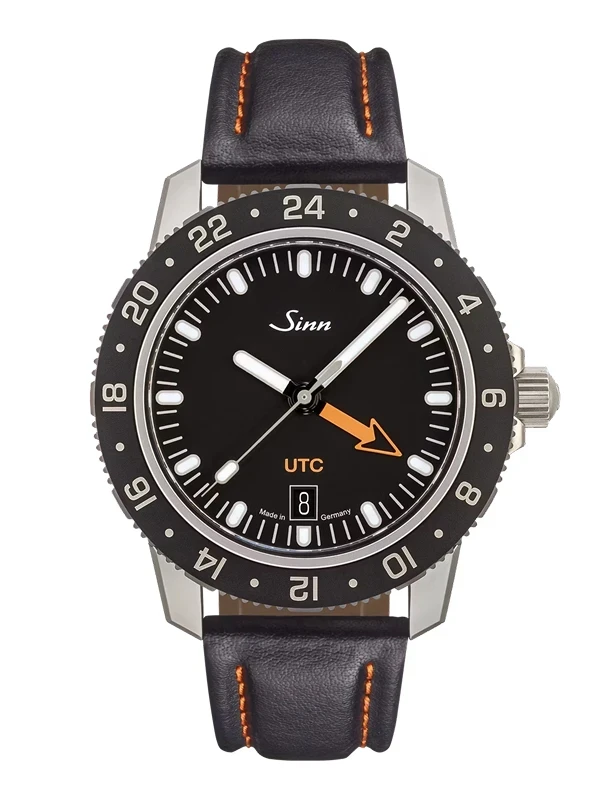
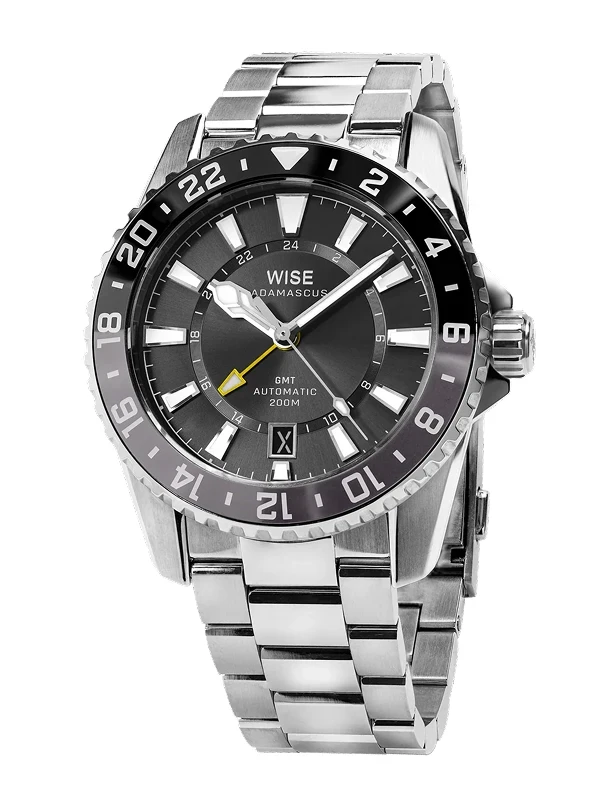
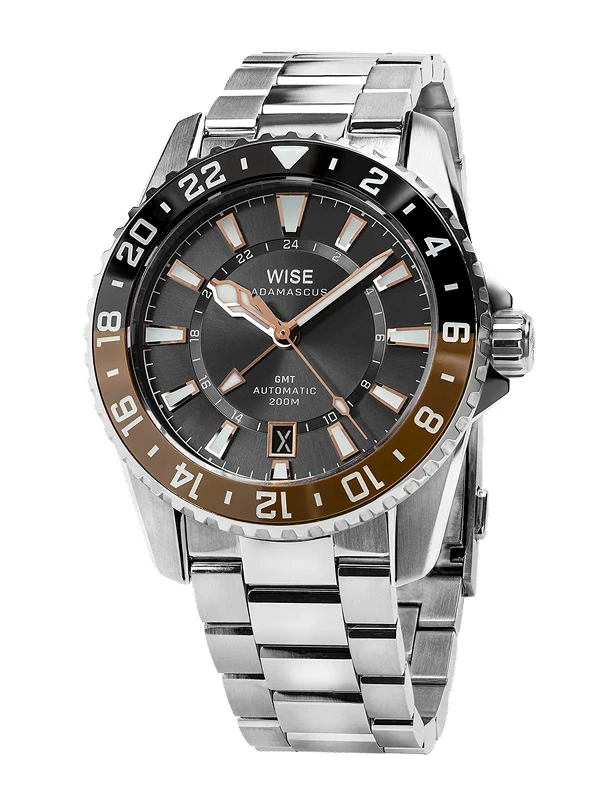
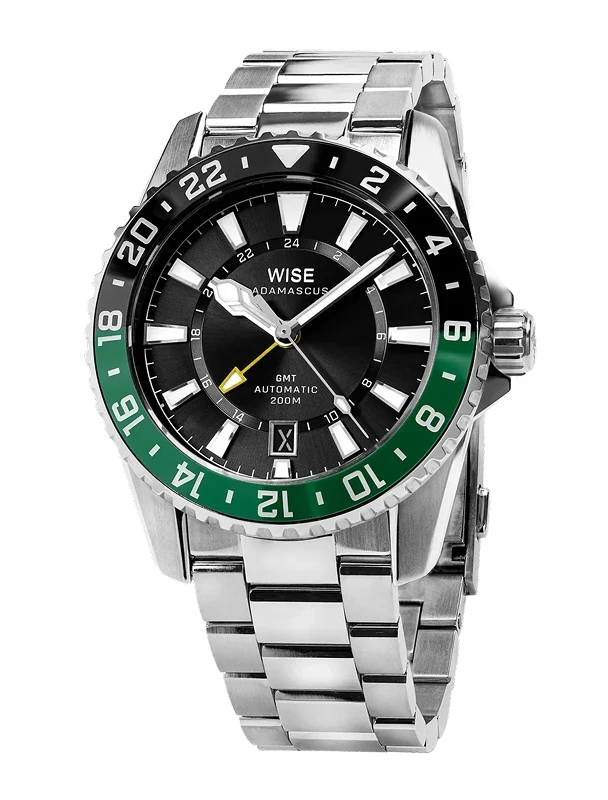
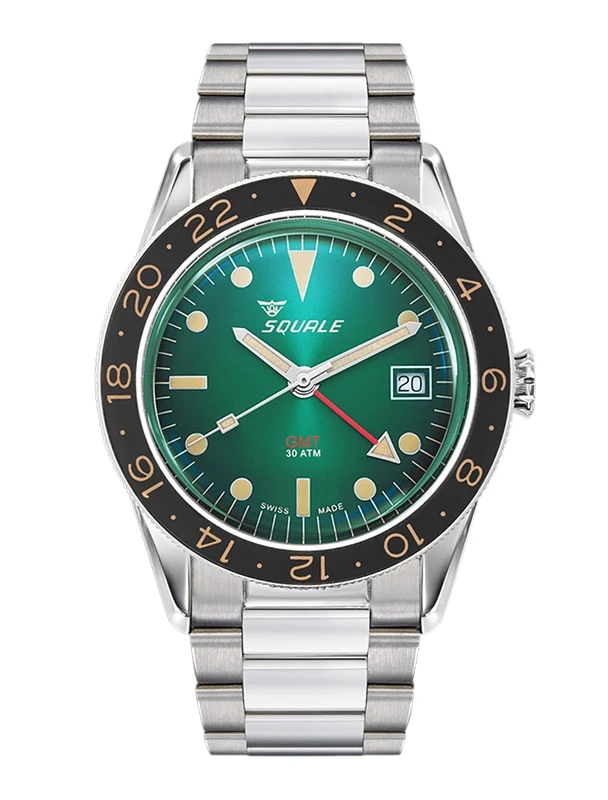
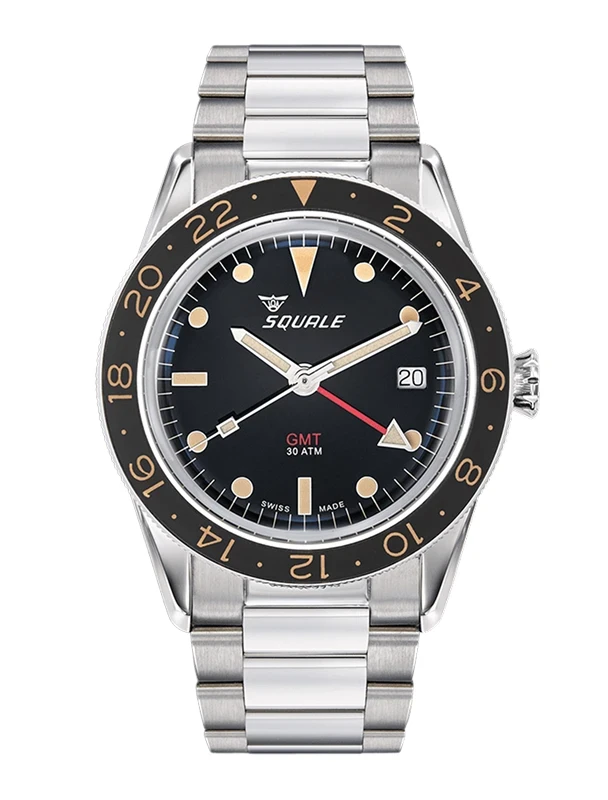
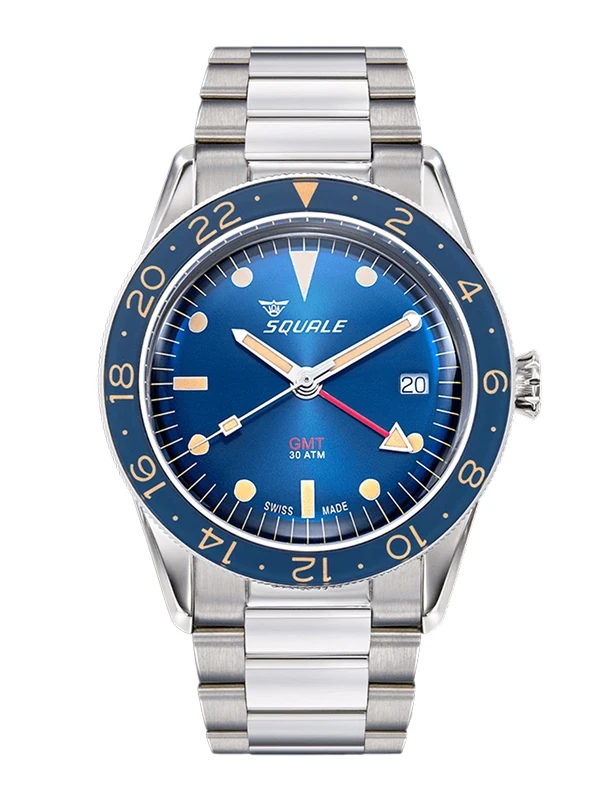
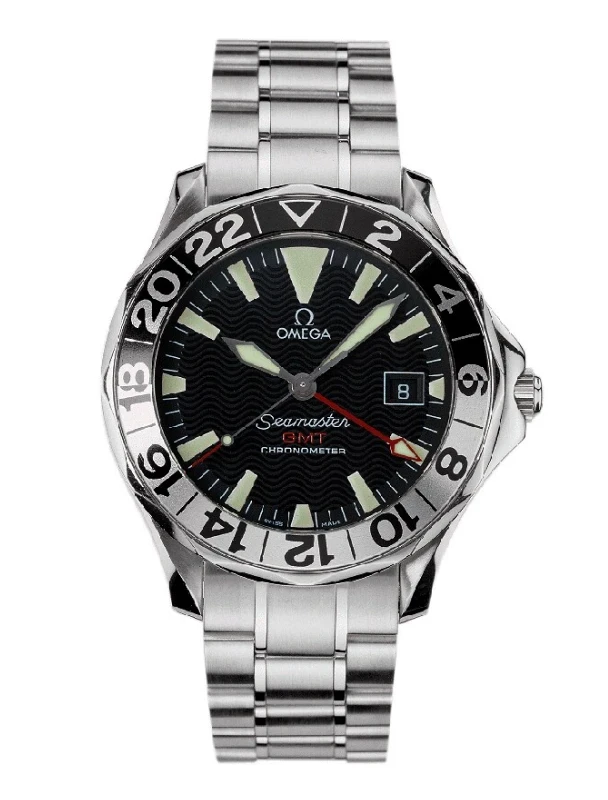
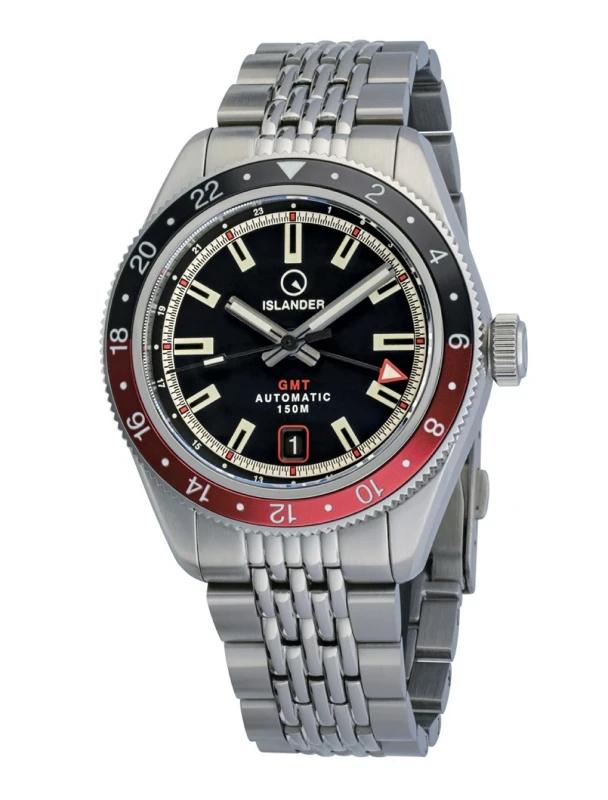
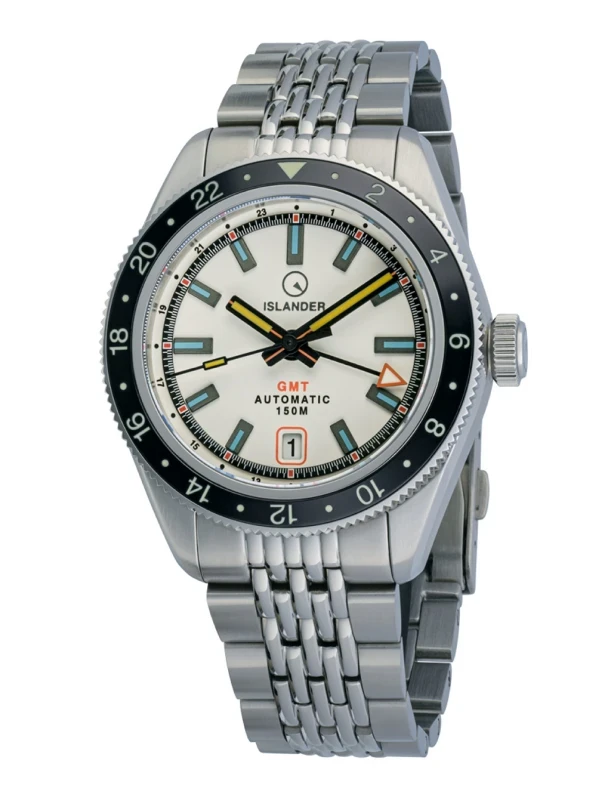
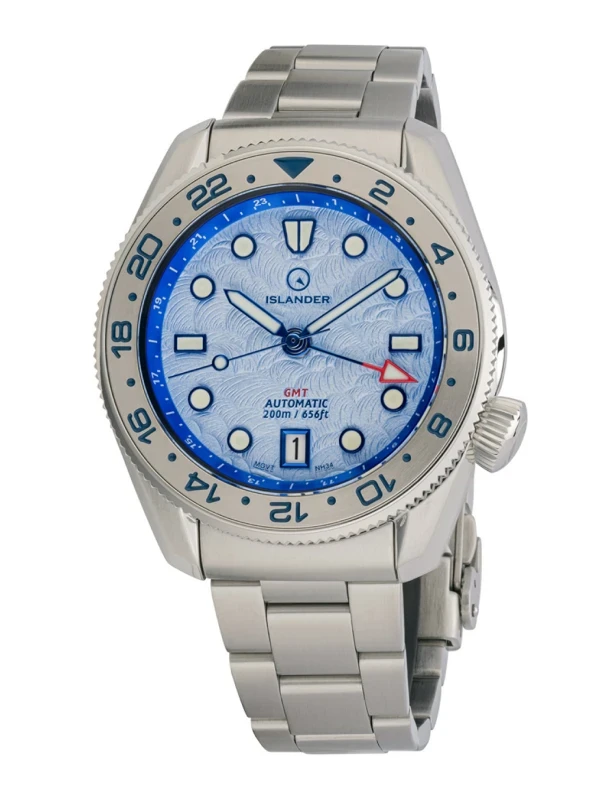
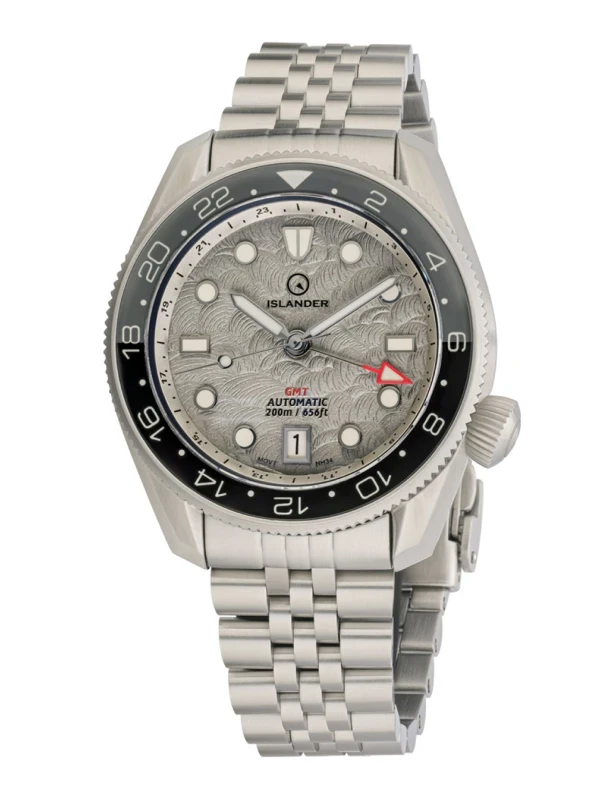
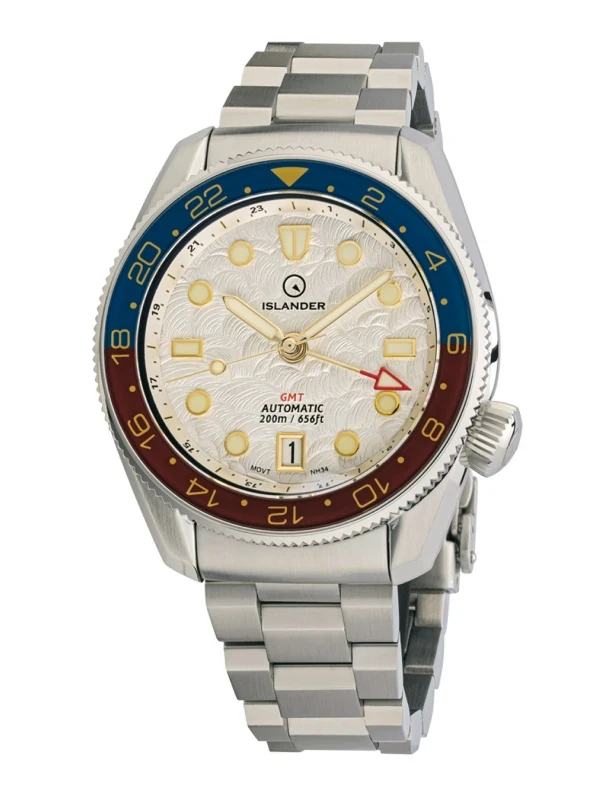
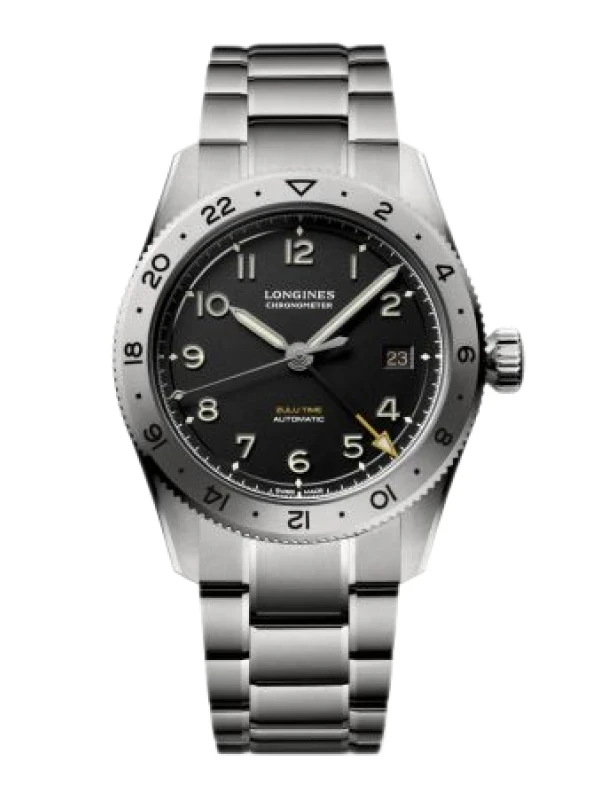
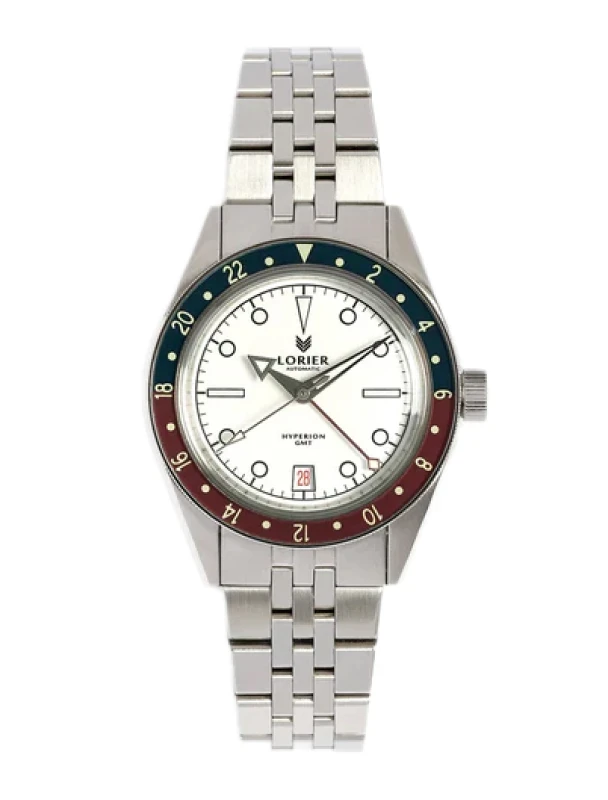
You can use a bidirectional bezel in mostly the same fashion as you use a unidirectional bezel except you can turn it both ways. The specific ways of using it depend also on the type of markings on the bezel. The 24 hours markings, usually on GMT watches that would help you track a different time zone by aligning the GMT hand with the current hour in the time zone of interest. The 12 hours markings can achieve similar results but without day/night tracking but is also more affordable since the watch doesn't need a GMT complication. The count-up and count-down markings are 60 minutes markers that allow you to track time left or time elapsed.
It depends on the design of the watch. Some watches use a clicking mechanism while others use friction. Clicking mechanisms allow you to set the bezel in specific increments and make that satisfying noise when you do it but friction bezels allow finer control since there are no set steps and also remove the misalignment issues in lower end watches.


 Continue with Google